Free Philippines PLE Exam Prep
Professional Regulation Commission Physicians Licensure Examination
Prepare for the Philippines PLE exam without spending hundreds on expensive prep courses. Free study guides, practice questions, flashcards, and related exam resources.
Quick Facts

 Buy on Amazon
Explore More Philippines PRC Health Exams
Continue into nearby exams from the same family. Each card keeps practice questions, study guides, flashcards, videos, and articles in one place.
More From This Family
Videos and articles for deeper review.
Philippines Philippines PRC Health Exams: Study Roadmap
Follow this path to organize your exam preparation
Map the 12 SubjectsYou are here
Start by matching your calendar to the official PRC subjects and the current four-day order.
Rebuild Basic Sciences
Review anatomy, physiology, biochemistry, microbiology, pathology, and pharmacology with clinical correlations.
Integrate Clinical Subjects
Use case-based review for medicine, surgery, obstetrics and gynecology, pediatrics, and preventive medicine.
Simulate Subject Blocks
Practice timed two-hour blocks and remediate weak subjects using explanations and official tables of specifications.
Can You Take the Philippines PLE Exam?
Check if you meet the basic eligibility requirements
- •PSA birth certificate and PSA marriage contract when applicable
- •Two certificates of good moral character from listed sources
- •Certificate of Post Graduate Internship from an APMC-accredited hospital
- •After a third failure, PRC lists a refresher-course certificate and current good moral character certificates before another attempt
Philippines PLE Quick Facts
Time to Get Licensed
PRC publishes specific filing windows and exam dates annually; check the current PRC schedule and program notices.
From start to license in hand
Total Cost Breakdown
Free Philippines PLE Prep Tools
Reported exam pass rate: March 2026 PRC result: 1,954 of 2,781 examinees passed, approximately 70.3%.. These figures describe exam candidates, not OpenExamPrep user outcomes. Check the exam sponsor’s website for published statistics.
100 PLE-Style Questions
Original practice questions distributed across the 12 official PRC Board of Medicine subjects.
2026 PRC Program Checked
Metadata reflects the March 2026 PRC program, 2026 subject-order resolution, and current public requirements pages reviewed.
Free Practice
Use focused explanations to review core medical science and clinical decision-making without copying official exam items.
Philippine Context
Includes public-health and clinical contexts commonly relevant to Philippine practice.
What You'll Study
40 chapters covering the exam topics in this guide
Chapter 1: PLE Structure, Eligibility & Study Strategy
3 sections
Chapter 2: Physiology I: Cells, Blood, Nerve & Muscle
3 sections
Chapter 3: Physiology II: Cardiovascular & Respiratory Systems
3 sections
Chapter 4: Physiology III: Gastrointestinal, Endocrine, Renal & Reproductive Systems
4 sections
Chapter 5: Physiology IV: Neurophysiology & Special Senses
2 sections
Chapter 6: Legal Medicine I: Medicolegal Examination, Identification & Death
3 sections
Chapter 7: Legal Medicine II: Injuries, Sexual Crimes, Reproduction, Mental State & Poisoning
5 sections
Chapter 8: Legal Medicine III: Reports, Regulation, Liability & Ethics
5 sections
Chapter 9: Pathology I: Cell Injury, Inflammation & Hemodynamics
3 sections
Chapter 10: Pathology II: Genetics, Neoplasia, Immunity, Environment & Infection
4 sections
Chapter 11: Pathology III: Gastrointestinal, Cardiovascular & Respiratory Pathology
3 sections
Chapter 12: Pathology IV: Hematopoietic, Genitourinary, Endocrine & Nervous System Pathology
4 sections
Chapter 13: Biochemistry I: Carbohydrate, Protein, Genetic & Energy Biochemistry
6 sections
Chapter 14: Biochemistry II: Respiratory, Nutritional, Immunologic & Cardiovascular Biochemistry
4 sections
Chapter 15: Anatomy I: Thorax, Abdomen, Pelvis & Back
4 sections
Chapter 16: Anatomy II: Upper Limb, Lower Limb & Skin
3 sections
Chapter 17: Anatomy III: Head, Neck & Histology
4 sections
Chapter 18: Microbiology I: Foundations, Respiratory & Cardiovascular Infections
4 sections
Chapter 19: Microbiology II: Gastrointestinal & Nervous System Infections
3 sections
Chapter 20: Microbiology III: Genitourinary, Reproductive, Blood & Skin Infections
4 sections
Chapter 21: Microbiology IV: Musculoskeletal & Multisystemic Infections
3 sections
Chapter 22: Obstetrics I: Prenatal Care, Labor & Obstetric Bleeding
4 sections
Chapter 23: Obstetrics II: Fetal, Hypertensive, Medical, Infectious & Postpartum Problems
5 sections
Chapter 24: Gynecology I: Benign Disorders, Infections & Contraception
4 sections
Chapter 25: Gynecology II: Reproductive Endocrinology, Oncology & Special Issues
3 sections
Chapter 26: Pediatrics I: Newborn, Growth, Nutrition, Immunization & Infections
4 sections
Chapter 27: Pediatrics II: Respiratory, Cardiovascular, Neurologic & Gastrointestinal Disorders
4 sections
Chapter 28: Pediatrics III: Genitourinary, Endocrine, Hematologic & Oncologic Disorders
4 sections
Chapter 29: Preventive Medicine I: The Physician as Health Care Provider
3 sections
Chapter 30: Preventive Medicine II: Philippine Health Care System & Community Medicine
4 sections
Chapter 31: Preventive Medicine III: Manager, Researcher & Social Mobilizer
4 sections
Chapter 32: Pharmacology I: Principles, Cardiovascular & Nervous System Therapeutics
4 sections
Chapter 33: Pharmacology II: Psychiatric, Respiratory & Genitourinary Therapeutics
4 sections
Chapter 34: Pharmacology III: Digestive, Endocrine, Skin & Musculoskeletal Therapeutics
4 sections
Chapter 35: Surgery I: Basic Surgical Principles
3 sections
Chapter 36: Surgery II: Abdomen, Breast & Hernia
4 sections
Chapter 37: Surgery III: Surgical Specialties
4 sections
Chapter 38: Medicine I: Cardiovascular, Digestive & Endocrine Medicine
4 sections
Chapter 39: Medicine II: Hematology, Systemic Infections, Renal & Respiratory Medicine
3 sections
Chapter 40: Medicine III: Rheumatology, Dermatology, Neurology, Rehabilitation & Psychiatry
3 sections
Philippines PLE Exam Details
Professional Regulation Commission Physicians Licensure Examination
Administered by Professional Regulation Commission Philippines - Professional Regulatory Board of Medicine
Exam Content Breakdown
Based on the official Professional Regulation Commission Philippines - Professional Regulatory Board of Medicine content outline
Thorax, abdomen, pelvis and perineum, limbs, head and neck, skin, appendages, and histology.
General cellular physiology plus cardiovascular, respiratory, gastrointestinal, endocrine, renal, reproductive, and neurophysiology.
Carbohydrates, proteins and amino acids, genetics, enzymes, bioenergetics, respiration chemistry, nutrition, immunology, and cardiovascular biochemistry.
Bacterial, viral, fungal, and parasitic infections by organ system, including Philippines-relevant communicable diseases.
Cell injury, inflammation, neoplasia, immunopathology, environmental and nutritional disease, infection, and major organ-system pathology.
Drug selection, pharmacodynamics, adverse effects, interactions, monitoring, and therapeutics across major clinical systems.
Cardiovascular, dermatology, digestive, endocrine, hematology/immunology, psychiatry, renal, respiratory, rheumatology, neurology, and rehabilitation medicine.
Basic surgical principles, trauma, abdomen, head and neck, breast, hernia, neurosurgery, ophthalmology, TCVS, urology, orthopedics, and pediatric surgery.
Obstetrics, prenatal care, hemorrhage, early pregnancy bleeding, fetal complications, hypertensive disease, diabetes, medical illness in pregnancy, and gynecology.
Newborn care, growth and development, nutrition, immunization, infections, respiratory, cardiovascular, neurologic, gastrointestinal, and other pediatric disorders.
Primary care, Philippine health system, DOH programs, public health administration, epidemiology, research, health laws, and disaster risk reduction.
Medicolegal examination, death certification, licensure and regulation, malpractice, physician relationships, and basic bioethical principles.
What's Included
40 Chapters
Complete exam coverage
Practice Quizzes
With detailed explanations
Free to Start
No credit card required
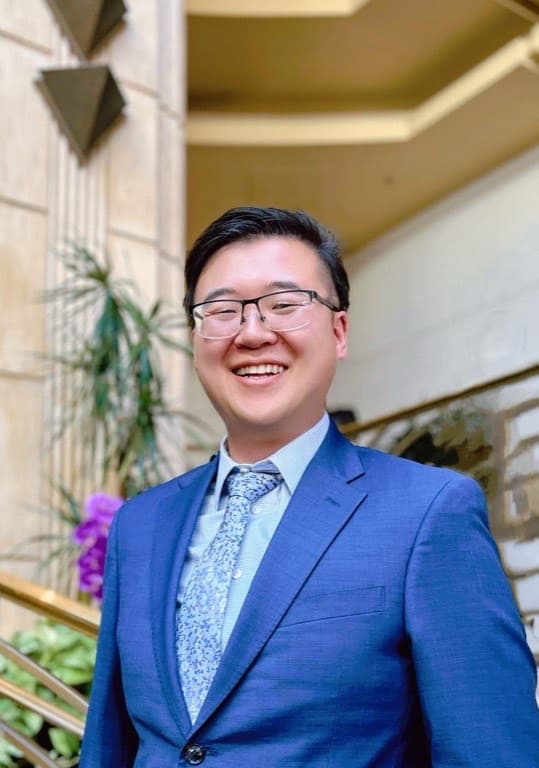
Quality Exam Prep Shouldn't Cost Hundreds
I'm Ran Chen, an engineer with 20+ years of coding experience. I passed my Life Insurance license, EA exam, SIE, Series 6, 63, 65, and finally the CFP® exam.
Through all these exams, one thing became clear: exam prep is expensive. But with AI, we can change that. Quality preparation can now be free for everyone.
What's Next After the Philippines PLE?
After passing the Philippines PLE, you can pursue these career paths
Licensed General Practitioner / Medical Officer
Independent clinical practice in rural health units, private outpatient clinics, emergency departments, and government hospitals across the Philippines.
Hospital Residency Training
Specialty clinical residency accredited by Philippine specialty boards in internal medicine, surgery, pediatrics, obstetrics and gynecology, and other clinical disciplines.
Public Health Physician / Municipal Health Officer
Leading primary care delivery, epidemiology programs, and Universal Health Care implementation under Department of Health and local government units.
Philippines PLE Exam FAQ
Official Professional Regulation Commission Philippines - Professional Regulatory Board of Medicine Resources
Verify information with these official sources
More Free Resources
Ready to Start Your Free Philippines PLE Prep?
Review the study guide, practice key concepts, and use the free tools at your own pace.