Free ABPMR PM&R Exam Prep
ABPMR Physical Medicine and Rehabilitation Part I Written Examination
Prepare for the ABPMR PM&R exam without spending hundreds on expensive prep courses. Free study guides, practice questions, flashcards, and related exam resources.
Quick Facts

 Buy on Amazon
Explore More ABPMR PM&R Certifications
Continue into nearby exams from the same family. Each card keeps practice questions, study guides, flashcards, videos, and articles in one place.
ABPMR ABPMR PM&R Certifications License: Complete Roadmap
Follow this path to organize your licensing and exam preparation
Phase 1 — Musculoskeletal & Sports MedicineYou are here
Shoulder (rotator cuff, impingement, adhesive capsulitis), knee (meniscus, ACL, PFPS), hip (OA, labral), spine (cervical/lumbar radiculopathy, myelopathy), tendinopathy, inflammatory arthritis, concussion return-to-play.
Phase 2 — Neurologic Rehabilitation (SCI, Stroke, TBI)
ASIA scale, autonomic dysreflexia, neurogenic bladder/bowel, NIHSS, MCA/ACA/PCA syndromes, Brunnstrom, spasticity (modified Ashworth, baclofen/botulinum toxin/ITB), GCS, Rancho Los Amigos, agitation pharmacology.
Phase 3 — Electrodiagnostics, Amputee, Pediatric
NCS/EMG technique and interpretation, carpal tunnel, ALS, GBS, MG; K-levels and prosthetic components; CP GMFCS, DMD, spina bifida, obstetric brachial plexopathy.
Phase 4 — Pain, Cardiopulmonary, Mock Exams
Spine interventions, CDC 2022 opioid guidance, CRPS/fibromyalgia, cardiac/pulmonary rehab phases, METs, outcome measures (FIM, Berg, Barthel). Complete 2-3 timed full-length mock exams.
Can You Take the ABPMR PM&R Exam?
Check if you meet the basic eligibility requirements
- •Valid unrestricted medical license at time of examination
- •Program director attestation of satisfactory completion
- •Application submitted through ABPMR within the eligibility window
- •Adherence to ABPMR professionalism standards
- •Successful completion of Part I is prerequisite to taking Part II (oral)
ABPMR PM&R Quick Facts
Time to Get Licensed
12-18 months of focused board review during the final 1-2 years of a 3-year PM&R residency
From start to license in hand
Exam Provider
Pearson VUE (computer-based testing at authorized test centers)
Retake Policy
Candidates who fail Part I may retake it in a subsequent administration within the ABPMR eligibility window, subject to full re-registration and fee payment.
Total Cost Breakdown
Free ABPMR PM&R Prep Tools
Reported exam pass rate: ABPMR publishes annual pass-rate statistics; the first-attempt pass rate is historically high (around 90%). These figures describe exam candidates, not OpenExamPrep user outcomes. Check the exam sponsor’s website for published statistics.
100 FREE Practice Questions
Covers MSK, SCI, stroke, TBI, amputee rehab, EMG/NCS, pediatric rehab, pain medicine, prosthetics/orthotics, and cardiopulmonary rehab.
AI-Powered Explanations
Evidence-based rationales referencing ASIA ISNCSCI, NPIAP pressure injury staging, Rancho Los Amigos, Brunnstrom stages, CDC 2022 opioid guidance, and AANEM standards.
Updated for 2026
Review the 2026 ABPMR Part I content outline and current practice guidelines across PM&R subspecialties.
100% Free
All 100 ABPMR Part I practice questions are free — no account required.
What You'll Study
13 chapters covering the exam topics in this guide
Chapter 1: Introduction & Exam Overview
2 sections
Chapter 2: Musculoskeletal Medicine
9 sections
Chapter 3: Spinal Cord Injury Rehabilitation
4 sections
Chapter 4: Stroke & Neuromuscular Rehabilitation
6 sections
Chapter 5: Electrodiagnostics (EMG/NCS)
4 sections
Chapter 6: Traumatic Brain Injury
4 sections
Chapter 7: Chronic Pain & Interventional Spine
4 sections
Chapter 8: Amputee Rehabilitation & Prosthetics
4 sections
Chapter 9: Pediatric Rehabilitation
4 sections
Chapter 10: Prosthetics, Orthotics & Assistive Technology
4 sections
Chapter 11: Medical Rehabilitation & Outcomes
6 sections
Chapter 12: Cardiopulmonary Rehabilitation
2 sections
Chapter 13: Foundational Rehabilitation Concepts
5 sections
ABPMR PM&R Exam Details
ABPMR Physical Medicine and Rehabilitation Part I Written Examination
Administered by American Board of Physical Medicine and Rehabilitation (ABPMR)
Exam Content Breakdown
Based on the official American Board of Physical Medicine and Rehabilitation (ABPMR) content outline
Diagnostic procedures (2%): gait analysis, medical imaging, musculoskeletal ultrasound, urodynamics, neuropsychological evaluation, laboratory studies. Treatments (3%): modalities, electrical stimulation, therapeutic exercise, pharmacotherapy, procedural interventions, regenerative medicine. Adaptive/assistive technology (3%): orthoses, shoes, wheelchairs and seating, augmentative communication, ADL aids. Applied science (4%): anatomy/physiology, kinesiology and biomechanics, growth/development/aging, mental and behavioral health, nutrition, pharmacology, research and statistics.
Electromyography, nerve conduction studies, H-reflex and F-wave, instrumentation, and neuromuscular transmission testing across all patient ages.
Conditions (12%): brain injury, spinal cord injury, stroke, motor neuron disorders, multiple sclerosis, movement disorders (parkinsonism), myopathy/myositis/dystrophy, neuromuscular junction disorders, neuropathy (mono/poly/plexopathy), functional neurologic disorder. Dystonia and spasticity (5%): chemodenervation, intrathecal pumps, oral medications, surgery. Rehabilitation management (13%): agitation, cognitive disorders, contracture, dysautonomia, dysphagia, heterotopic ossification, hydrocephalus, neurogenic bladder and bowel, neuropathic pain, paralysis/paresis, posture/balance/gait, pressure injuries, reintegration, seizures, sleep, speech and language, visual dysfunction.
Musculoskeletal and occupational medicine (20%): arthritides (inflammatory, noninflammatory, infectious), bone health, CRPS, fibromyalgia, fractures, muscle/ligament/tendon disorders, myofascial pain, overuse syndromes, spinal disorders, thoracic outlet syndrome. Amputation (5%): upper and lower extremity, prostheses. Rehabilitation management (8%): abnormal gait, contracture, deconditioning/atrophy/immobilization, pain, reintegration.
Conditions (5%): burns, cancer, cardiovascular disorders, endocrine and metabolic disorders, postinfectious disease, pulmonary disorders, transplant. Rehabilitation management (10%): contracture, deconditioning, delirium, dysphagia, edema, malnutrition, medical complications, reintegration, sleep disorders, wound care.
What's Included
13 Chapters
Complete exam coverage
Practice Quizzes
With detailed explanations
Free to Start
No credit card required
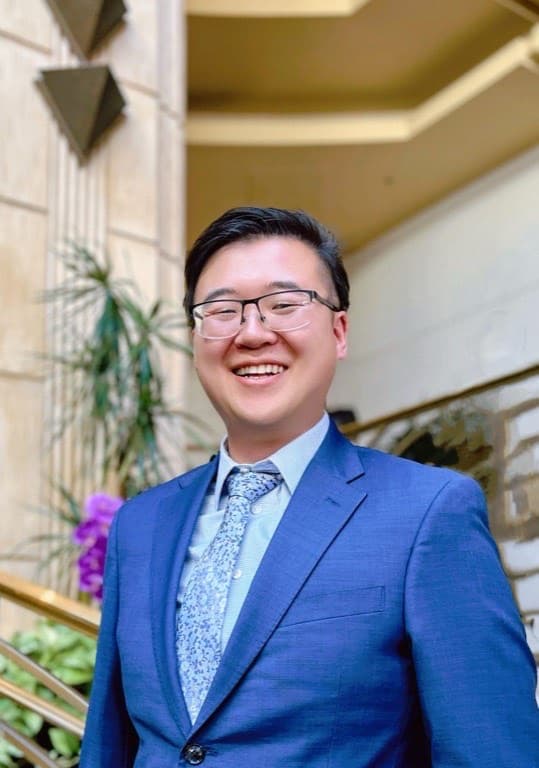
Quality Exam Prep Shouldn't Cost Hundreds
I'm Ran Chen, an engineer with 20+ years of coding experience. I passed my Life Insurance license, EA exam, SIE, Series 6, 63, 65, and finally the CFP® exam.
Through all these exams, one thing became clear: exam prep is expensive. But with AI, we can change that. Quality preparation can now be free for everyone.
What's Next After the ABPMR PM&R?
After passing the ABPMR PM&R, you can pursue these career paths
ABPMR Part II Oral Examination
After passing Part I (Written), candidates must pass the Part II oral certifying exam to achieve full ABPMR board certification.
ABPMR Subspecialty — Pain Medicine
ACGME-accredited 12-month pain medicine fellowship leading to subspecialty certification by ABPMR (or co-sponsored with ABA/ABPN/ABFM).
ABPMR Subspecialty — Spinal Cord Injury Medicine
1-year ACGME fellowship with SCI subspecialty certification examination through ABPMR.
ABPMR Subspecialty — Brain Injury Medicine, Sports, Neuromuscular, Pediatric Rehab
Additional ABPMR subspecialty certifications after fellowship training in brain injury medicine, sports medicine, neuromuscular medicine, or pediatric rehabilitation medicine.
ABPMR PM&R Exam FAQ
Official American Board of Physical Medicine and Rehabilitation (ABPMR) Resources
Verify information with these official sources
More Free Resources
Ready to Start Your Free ABPMR PM&R Prep?
Review the study guide, practice key concepts, and use the free tools at your own pace.