Licensing & GDL Rules
Not publishedof exam
Protective Gear & Fitness
Not publishedof exam
Controls & Maintenance
Not publishedof exam
Lane Position & Traffic Risk
Not publishedof exam
Braking, Curves & Emergencies
Not publishedof exam
Passengers, Cargo & Group Riding
Not publishedof exam
Quick Facts
- Exam
- AB Class 6 Motorcycle
- Questions
- 30 total
- Pass score
- 25 of 30
- Format
- Computer-based, registry agent
- Min age
- 16 years old
- Fee cap
- $17 standard test
- Level
- Beginner rider knowledge
- Blueprint
- Rider's Guide, Spring 2023
GDL Zero Tolerance
Learner or GDL Riders Get Zero BAC
Class 7 vs Class 6-GDL
Class 7 learner
- No night-time riding
- Needs a supervisor always
- Zero alcohol, zero drugs
Class 6-GDL
- Rides without supervision
- Cannot supervise a learner
- Zero alcohol, zero drugs
Road test is the line
Licensing Path Sequence
- Turning 16, no licence yet→Get Class 7 learner's
- Held Class 7 one year→Take Class 6 knowledge test
- Passed the knowledge test→Book the Class 6 road test
- Passed the road test→Pay fee, reclass licence
- Now holding Class 6-GDL→Meet two-year probation
- 18+, 12 months suspension-free→Exit the GDL program
Test & Licensing Path
- Questions
- 30 total on test
- Pass score
- 25 correct out of 30
- Format
- Computer-based, registry agent
- Fee cap
- $17 standard test
- Min age
- 16 years old
- Prerequisite
- Class 7 for one year
- Road test length
- About 60 minutes
- Reclassify
- Pay fee at registry
GDL BAC vs Full Licence BAC
GDL or learner BAC
- Zero tolerance at all times
- Any detectable amount suspends
Full licence BAC
- 0.05%-0.079% is WARN range
- 0.08% and up is criminal
Zero, then warn, then criminal
GDL Conditions
- Class 6-GDL BAC
- Zero alcohol and drug
- Demerit limit
- 8 or more suspends
- Probation length
- Minimum two years
- Exit age
- At least 18 years old
- Exit rule
- 12 months suspension-free
- Training credit
- Up to 6 months off
- Class 7 night ban
- Midnight/sunset to 5am/sunrise
- Supervisor required
- Full non-GDL Class 6
Full Coverage vs Shorty Helmet
Full coverage
- Protects face and chin
- Best crash protection
- Recommended helmet type
Shorty helmet
- No face or chin cover
- Least protection given
- Least recommended type
More coverage always wins
Helmet Standards & Types
- CSA
- Canadian Standards Association
- DOT
- US Department of Transportation
- SNELL
- Snell Memorial Foundation
- BSI
- British Standards Institute
- Full coverage
- Best protection, recommended
- Shorty helmet
- Least recommended, least protection
- Fit test
- Removes without loosening strap = bad
Riding Gear & Fitness
- Eye protection
- Clear lens for night riding
- Footwear
- Cover ankles, grip surfaces
- Hand wear
- Gloves, not bulky mitts
- Alcohol or drugs
- Never ride after using
- Fatigue
- Stop and rest instead
- Distractions
- Stop before using phone
- Full-licence BAC
- 0.05%-0.079% triggers WARN range
Pre-Trip Inspection
- Tires
- Check pressure, tread, damage
- Lights
- Head, brake, signal, horn
- Fluids
- Oil level and colour
- Drive system
- Chain, belt, or shaft
- Throttle
- Must return to closed
Controls & Parking
- Friction zone
- Clutch engagement starting point
- Hill start
- Rear brake plus friction zone
- Downshift
- Match gear to speed
- Angle parking
- 45 to 60 degrees
- Curb gap
- Rear wheel within 50cm
- Hill parking
- Park facing uphill always
Lane Position Picker
- Normal two-lane road→Left portion of lane
- Passing parked vehicles→Left portion of lane
- Approaching a hill crest→Right portion of lane
- Vehicle entering from right→Left portion of lane
- Oncoming vehicle turning left→Centre or right portion
- Next to dividing yellow line→Right portion of lane
- Large vehicle passing you→Right portion, firm grip
Lane Position
- Two-lane road
- Left portion is safest
- Passing parked cars
- Ride left portion of lane
- Hill crest ahead
- Move to right portion
- Multi-lane, near yellow line
- Use the right portion
- Large vehicle passing
- Right portion, grip firmly
Space Cushion & Signs
- Following distance
- At least 2-3 seconds
- Shoulder check
- Before every lane change
- Stop sign
- Red octagon, full stop
- Yield sign
- Slow, be ready to stop
- Passing emergency vehicles
- Reduce to 60 km/h
Intersections
- Left-turn conflict
- Move to centre or right
- Right-side entry
- Move to left portion
- Both-sides conflict
- Use the left portion
- Scan pattern
- Left, centre, right, repeat
Braking Together
Front Plus Rear Equals Full Stop
Threshold Braking vs Wheel Lockup
Threshold braking
- Just before wheel locks
- Keeps steering control
- Maximum safe braking force
Locked wheel
- Tire skids sideways
- Loses steering control
- Harder to control bike
Stop just short of lock
Emergency Response Picker
- Front wheel locks→Release, then reapply gradually
- Rear wheel locks on pavement→Keep it locked
- Hydroplaning begins→Hold speed, do not brake
- Throttle sticks open→Clutch in, kill switch
- Front wheel wobbles→Close throttle gradually(No brakes)
- Front tire blows out→Ease throttle, no braking
- Rear tire blows out→Ease throttle, no braking
- Object cannot be avoided→Straighten, shift weight back
Braking Fundamentals
- Normal stop
- Front and rear together
- Weight transfer
- About 75% traction forward
- Threshold braking
- Just before wheel lock
- Stopping distance
- Perception, reaction, braking distance
Curve Sequence
Slow, Look, Push, Roll Through Curves
Front vs Rear Wheel Lock
Front wheel locks
- Release, then reapply gradually
- Steering control lost fast
Rear wheel locks
- Keep it locked usually
- Release only on loose surface
Front eases, rear holds
Cornering Technique
- Push-steering
- Push grip to lean
- Curve entry
- Slow down before entering
- Visual line
- Look through the curve
- Skid recovery
- Look and steer intended path
Emergency Responses
- Front wheel locks
- Release slightly, then reapply
- Rear wheel locks
- Keep it locked, paved
- Swerve plus braking
- Never brake mid-lean
- Stuck throttle
- Clutch in, kill switch
- Front wheel wobble
- Close throttle, no brakes
- Front tire blowout
- No brake, ease throttle
- Hydroplaning
- No brake, hold speed
Road Hazards
- Rain just starting
- Most slippery first minutes
- Railway tracks
- Straight line, steady speed
- Gravel or sand
- Sharply reduces available traction
- Night high beam
- Low beam within 150m
Staggered Group Gaps
Riders Trail One, Two, Two, Four Seconds
Staggered vs Single File
Staggered formation
- Normal group riding position
- Escape route on each side
Single file
- Curves, hills, narrow bridges
- At least two seconds apart
Tight spots need single file
Passengers & Cargo
- Passenger equipment
- Seat, hand grips, footrests
- Passenger following gap
- 3 to 4 seconds
- Mount or dismount
- Signal the rider first
- Cargo placement
- Low, near the rear axle
- Cargo securement
- Bungee cords, recheck often
Group Riding Rules
- Max group size
- No more than five
- Formation
- Staggered, alternating lane sides
- Odd number
- Helps lead and last signal
- Lead position
- Dominant portion of lane
- Single file
- Curves, hills, narrow bridges
- Trailer tongue weight
- 10 to 15 percent
Group Spacing & Passing
- Second rider gap
- 1 second, opposite side
- Third rider gap
- 2 seconds, leader's side
- Group lane change
- Last rider moves first
- Group passing rule
- One at a time only
Common Traps
Front Lock vs Rear Lock
Front: release, then reapply ≠ Rear: usually keep it locked
Threshold Braking vs Wheel Lockup
Threshold: just before lock ≠ Lockup: tire skids and slides
Class 7 vs Class 6-GDL
Class 7 needs a supervisor ≠ 6-GDL rides alone, zero BAC
Staggered vs Side-by-Side Riding
Staggered: legal, offset positions ≠ Side-by-side: illegal, same lane
GDL Zero vs WARN Range BAC
GDL and learners: always zero ≠ Full licence: 0.05% triggers WARN
Swerve Timing vs Braking Timing
Swerve: no braking mid-lean ≠ Brake: before lean or after
Full Coverage vs Shorty Helmet
Full coverage: best protection given ≠ Shorty: least protection of approved
Last Minute
- 1.30 questions, need 25 correct
- 2.Minimum age 16, Class 7 first
- 3.GDL and learners: always zero BAC
- 4.8 or more demerits suspends riding
- 5.Normal stops use both brakes
- 6.Threshold brake: just before lockup
- 7.Full coverage helmet protects best
- 8.Max group size is five
- 9.Staggered formation only, never side-by-side
- 10.Slow before curves, never during
 Course Playlist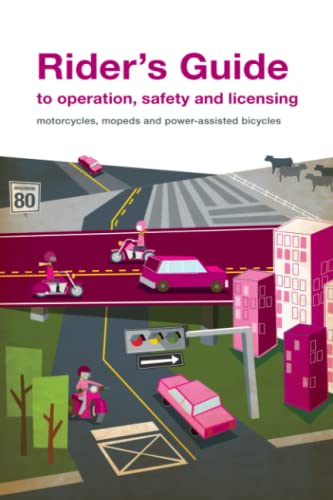
 Buy on Amazon
Explore More Canadian Motorcycle Knowledge Tests
Continue into nearby exams from the same family. Each card keeps practice questions, study guides, flashcards, videos, and articles in one place.
More From This Family
Videos and articles for deeper review.