Free NCCAOM Exam Prep
NCBAHM Acupuncture Certification Examinations (Formerly NCCAOM)
Prepare for the NCCAOM exam without spending hundreds on expensive prep courses. Free study guides, practice questions, flashcards, and related exam resources.
Quick Facts
 Free CE
 Buy on Amazon
NCCAOM NCCAOM Acupuncture and Oriental Medicine: Study Roadmap
Follow this path to organize your exam preparation
Phase 1You are here
Build Foundations of Oriental Medicine knowledge: the four examinations, Zang-Fu and other pattern frameworks, and treatment planning.
Phase 2
Strengthen biomedicine: medical conditions, examinations and tests, red flags and referral urgency, pharmacology, supplements, and professional responsibilities.
Phase 3
Drill ACPL point location, point selection, needling safety, and moxibustion and adjunctive techniques.
Phase 4
Run timed 100-item practice sets for each module and review weak domains against the 2026 outlines.
Can You Take the NCCAOM Exam?
Check if you meet the basic eligibility requirements
- •Submit certification application and all required documentation for eligibility review
- •Receive an Authorization to Test (ATT) before scheduling
- •Pass all required core modules for the acupuncture certification pathway
NCCAOM Quick Facts
Time to Get Licensed
No official timeline; many candidates plan several months to prepare for the three core modules
From start to license in hand
Retake Policy
After a failed attempt, wait 45 days before retesting. After five failed attempts, candidates must request each set of three additional attempts and show 45 hours of additional education; waits are 90 days after the 5th through 8th failed attempts and 180 days after 8 failed attempts.
Total Cost Breakdown
Free NCCAOM Prep Tools
Reported exam pass rate: NCBAHM 2026 AC Candidate Preparation Handbook (Route 1 U.S. first-time candidates, 2025): FOM 92.2%, ACPL 80.2%, BIOM 68.7%.. These figures describe exam candidates, not OpenExamPrep user outcomes. Check the exam sponsor’s website for published statistics.
200 Practice Questions
Practice FOM, BIOM, and ACPL topics with explained answers.
AI-Powered Learning
Get targeted remediation for point location, diagnosis logic, and safety decisions.
2026 Updated
Review the 2026 content outlines (effective September 1, 2026), exam process, and fees.
Free Access
Start NCCAOM/NCBAHM prep free before paying application and exam fees.
What You'll Study
16 chapters covering the exam topics in this guide
Chapter 1: Exam Structure, Logistics & Preparation Strategy
3 sections
Chapter 2: Fundamental Theories of Oriental Medicine
4 sections
Chapter 3: Zang-Fu Organ Physiology and Pathologies
5 sections
Chapter 4: The Four Examinations and Diagnostic Methods
6 sections
Chapter 5: Pattern Differentiation Frameworks & Treatment Principles
8 sections
Chapter 6: Channel Systems and Point Location Methodology
3 sections
Chapter 7: Channel Points I: Taiyin, Yangming, Shaoyin, and Taiyang
4 sections
Chapter 8: Channel Points II: Jueyin, Shaoyang, Du, Ren, and Extra Points
4 sections
Chapter 9: Specific Point Categories and Prescription Theory
4 sections
Chapter 10: Point Selection Strategies and Treatment Planning
8 sections
Chapter 11: Needling Techniques, Safety, Contraindications & Adjunctive Therapies
7 sections
Chapter 12: Biomedical Sciences, Clinical Anatomy, and Medical Conditions
11 sections
Chapter 13: Patient Evaluation, Physical Examination & Diagnostic Tests
6 sections
Chapter 14: Clinical Decision-Making, Red Flags & Medical Referrals
5 sections
Chapter 15: Pharmacology, Supplements, and Interactions
4 sections
Chapter 16: Professional Responsibilities, Infection Control, and Emergency Management
5 sections
NCCAOM Exam Details
NCBAHM Acupuncture Certification Examinations (Formerly NCCAOM)
Administered by National Certification Board for Acupuncture and Herbal Medicine (NCBAHM)
Exam Content Breakdown
Based on the official National Certification Board for Acupuncture and Herbal Medicine (NCBAHM) content outline
2026 outline: Patient Assessment 28%, Pathomechanisms and Pattern Differentiation 38%, and Treatment Planning 34%, covering the four examinations, Zang-Fu and other pattern frameworks, treatment principles, self-care, and dietary advice.
2026 outline: Biomedical Sciences 18%, Patient Evaluation 26%, Analysis and Clinical Decision-making 34%, and Professional Responsibilities 22%, covering medical conditions, pharmacology, supplements, examinations, red flags, ethics, and emergencies.
2026 outline: Point Location 15%, Safety 15%, Treatment Planning 40%, and Treatment Techniques 30%, covering point location, point selection, needling, moxibustion, and adjunctive therapies.
What's Included
16 Chapters
Complete exam coverage
Practice Quizzes
With detailed explanations
Free to Start
No credit card required
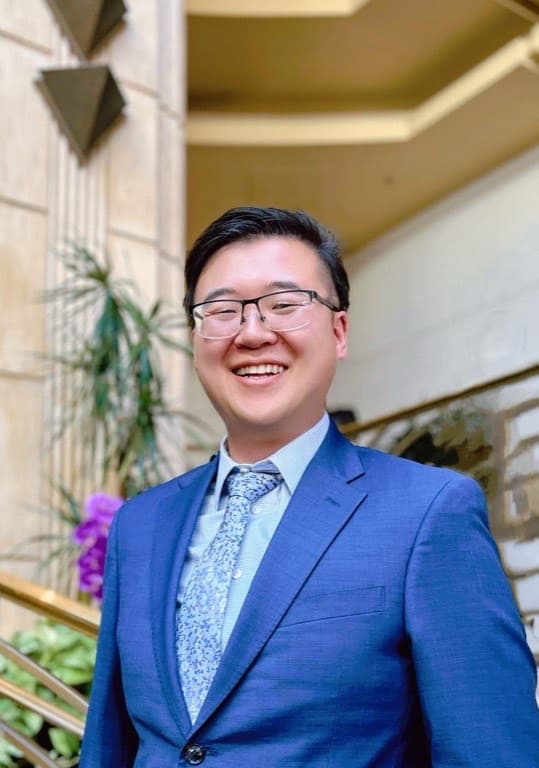
Quality Exam Prep Shouldn't Cost Hundreds
I'm Ran Chen, an engineer with 20+ years of coding experience. I passed my Life Insurance license, EA exam, SIE, Series 6, 63, 65, and finally the CFP® exam.
Through all these exams, one thing became clear: exam prep is expensive. But with AI, we can change that. Quality preparation can now be free for everyone.
What's Next After the NCCAOM?
After passing the NCCAOM, you can pursue these career paths
Chinese Herbology (CH)
Add the Chinese Herbology module to expand credential scope.
State Acupuncture Licensure
Use NCBAHM exam results to support U.S. jurisdiction licensure applications.
Integrative Practice Roles
Move into hospital, multidisciplinary clinic, or private acupuncture practice pathways.
NCCAOM Exam FAQ
Official National Certification Board for Acupuncture and Herbal Medicine (NCBAHM) Resources
Verify information with these official sources
More Free Resources
Ready to Start Your Free NCCAOM Prep?
Review the study guide, practice key concepts, and use the free tools at your own pace.