Engine Systems
16%of exam
Automatic Transmission/Transaxle
7%of exam
Manual Drive Train & Axles
11%of exam
Suspension & Steering
24%of exam
Brakes
20%of exam
Electrical
15%of exam
Heating, Ventilation & AC
7%of exam
Quick Facts
- Exam
- G1
- Credential
- Auto Maint. & Light Repair
- Questions
- 55 (45 scored)
- Time
- 90 minutes
- Pass
- 70 scaled score
- Format
- CBT, Prometric/ProProctor
- Level
- Entry-level
- Blueprint
- 2026 ASE spec
- Experience
- 1 year required
- Validity
- 5 years
Engine Fluid Check Order
Oil, then coolant, then belts
Engine Service Decision
- Oil life monitor lit→Change oil and filter(Reset monitor after)
- Overheating concern reported→Pressure test cooling system(To cap rating)
- Rough idle, DTC set→Retrieve codes first(Before parts swap)
- Fuel smell present→Inspect tank and lines(Check EVAP too)
- Belt squeal noise→Inspect belt and tensioner(Check pulley alignment)
Engine Fluids & Belts
- Oil change
- Warm engine before draining
- Oil filter
- Check for stuck gasket
- Coolant service
- Drain, flush, refill, bleed
- Pressure test
- To radiator cap rating
- Drive belt
- Inspect tensioner and pulleys
- Thermostat
- Controls coolant flow rate
Engine Diagnostics & Emissions
- DTCs
- Retrieve before any repair
- Spark plugs
- Check secondary ignition parts
- Air filter
- Replace if restricted, damaged
- EVAP system
- Inspect canister, lines, hoses
- DEF fluid
- Diesel exhaust fluid only
- Exhaust leak
- Check hangers and shields
Automatic Transmission Service
- Fluid check
- Type, level, and condition
- External seals
- Replace if leaking
- CV boots
- Inspect for cracks, tears
- Filter service
- Replace with fluid change
- Cooler lines
- Visually inspect for leaks
- Powertrain mounts
- Inspect for excess movement
Automatic vs Manual Drivetrain
Automatic Transmission
- Fluid and filter service
- No clutch pedal present
- Torque converter driven design
Manual Drivetrain
- Clutch hydraulics present
- Shift linkage needs service
- Driver-operated clutch pedal
Fluid service vs clutch
Clutch & Driveline
- Clutch hydraulics
- Bleed slave and master
- Shift linkage
- Inspect bushings and pivots
- U-joints
- Verify proper phasing
- CV joints
- Inspect boots for wear
- Support bearing
- Inspect center driveshaft bearing
- Wheel bearings
- Excludes press-type designs
Axles & 4WD/AWD
- RWD axle
- Identify fluid leak points
- Axle housing
- Inspect vent for blockage
- Transfer case
- Check fluid level, condition
- Front differential
- Inspect seals and vents
- 4WD/AWD
- Verify engagement and operation
- Tire size
- Match front and rear
Alignment Angle Order
Camber first, caster next, toe last
Camber vs Caster
Camber
- Wheel tilt in/out
- Vertical angle measurement
- Affects tire wear pattern
Caster
- Steering axis tilt angle
- Affects steering return, stability
- Not a tire-wear angle
Tilt vs steering axis
Alignment Symptom Decision
- Vehicle wanders or drifts→Check alignment angles(Camber, caster, toe)
- Tire wear is uneven→Inspect toe setting(Or camber wear)
- Steering wheel is off-center→Center it mechanically(After toe set)
- Vehicle pulls one direction→Check caster split(Between left, right)
- Warning light after service→Calibrate angle sensor(Post-alignment requirement)
Power Steering Service
- PS fluid
- Match type, check level
- Pump noise
- Check belt and pulleys
- Rack boots
- Inspect for tears
- System bleed
- Flush, fill, bleed air
- System type
- Identify electric or hydraulic
Toe vs Thrust Angle
Toe
- Front or rear wheel pair
- Set last in alignment
- Directly affects tire wear
Thrust Angle
- Rear axle centerline angle
- Compares to body centerline
- Affects steering wheel centering
Wheel pair vs axle
Front & Rear Suspension
- Ball joints
- Check wear indicators first
- Control arms
- Inspect bushings and shafts
- Struts
- Inspect cartridge and mount
- Stabilizer bar
- Inspect links and bushings
- Springs
- Inspect insulators and shackles
- Air suspension
- Disable before servicing system
Direct vs Indirect TPMS
Direct TPMS
- Wheel-mounted pressure sensors
- Reads actual tire pressure
- Needs relearn after service
Indirect TPMS
- Uses wheel speed sensors
- Estimates pressure through ABS
- No physical pressure sensor
Sensor vs ABS-based
Steering Linkage & Alignment
- Pitman arm
- Inspect center link, idler
- Tie rod ends
- Inspect sockets and bushings
- Camber
- Adjust to specification first
- Caster
- Affects steering pull, return
- Toe
- Set last, both axles
- Thrust angle
- Rear axle alignment reference
- Angle sensor
- Calibrate after alignment work
Wheels & Tires
- Wear pattern
- Diagnoses alignment or inflation
- Tread depth
- Check load, speed rating
- TPMS
- Direct or indirect system
- Wheel balance
- Fixes vibration and shimmy
- Lug torque
- Always to specification value
- TPMS relearn
- Required after tire service
Brake Service Steps
Inspect, measure, machine, then install
Drum vs Disc Brakes
Drum Brakes
- Self-adjusting shoe design
- Common on rear axles
- Requires drum machining check
Disc Brakes
- Caliper and pad design
- Better heat dissipation ability
- Rotor resurfacing is option
Shoes vs pads
Brake Noise/Feel Decision
- Grinding noise while braking→Inspect pads and rotors(Measure thickness first)
- Soft, spongy pedal feel→Bleed hydraulic system(Check for air)
- Vehicle pulls one side→Inspect calipers and hoses(Check for drag)
- ABS warning light on→Retrieve ABS codes(Check wiring routing)
- Parking brake feels weak→Adjust brake shoes(After shoe service)
Brake Hydraulic System
- Master cylinder
- Check fluid level, condition
- Brake lines
- Inspect for rust, kinks
- Brake fluid
- Store in closed container
- Bleeding
- Removes trapped system air
- ABS light
- Verify operation and wiring
- Pedal feel
- Diagnoses hydraulic system problems
Vacuum Booster vs Hydro-Boost
Vacuum Booster
- Uses engine intake vacuum
- Common on gas engines
- Needs a check valve
Hydro-Boost
- Uses power steering fluid
- Common on diesel engines
- No vacuum supply needed
Vacuum vs hydraulic assist
Drum & Disc Brakes
- Brake drums
- Measure before machining option
- Brake shoes
- Inspect springs, pins, adjusters
- Calipers
- Inspect slides and pins
- Rotors
- Measure with a micrometer
- Brake pads
- Inspect retaining hardware condition
- Burnishing
- Break in new pads
Power Assist & Parking Brake
- Vacuum booster
- Check pedal free travel
- Hydro-boost
- Uses power steering fluid
- Parking brake
- Adjust after shoe service
- Electric-hydraulic
- Check leaks and operation
Battery Test Sequence
Visual check, then load test
Battery vs Charging Fault
Battery Fault
- Fails battery load test
- Won't hold a charge
- Slow or no crank
Charging Fault
- Low alternator output reading
- Dash lights appear dim
- Battery drains while driving
Storage vs generation fault
No-Start Electrical Decision
- Slow or no crank→Load test battery first(Check terminal connections)
- Battery tests good→Run starter draw test(Interpret amperage reading)
- Dash lights look dim→Check charging output(Test alternator function)
- Battery won't hold charge→Inspect battery cables(Check clamps, hold-downs)
- Emergency start needed now→Jump-start the vehicle(Use booster pack)
Battery & Charging
- Battery test
- Load and capacitance test
- Charging output
- Identify under or overcharge
- Alternator belt
- Inspect tension and pulleys
- Jump start
- Use booster or pack
- Battery cables
- Inspect clamps, hold-downs
Starting & Circuits
- Starter draw
- Interpret amperage test reading
- Voltage drop
- Locate circuit resistance point
- Continuity test
- Confirms complete circuit path
- Electronic memory
- Save before disconnecting battery
- Airbag
- Disarm before electrical work
Lighting & Accessories
- Headlight aim
- Adjust to specification
- Wiper motor
- Replace with new blades
- Horn
- Verify operation function
- Gauges
- Reset maintenance indicator lights
- Lenses
- Inspect for cracks, damage
HVAC Performance Decision
- Warm air only blows→Check refrigerant charge level(Recover, recharge system)
- Weak airflow from vents→Inspect blower and fan(Check for restrictions)
- Musty cabin odor present→Replace cabin air filter(Clean evaporator drain)
- Visible refrigerant leak found→Check A/C components(Dye or UV test)
HVAC Service
- Refrigerant
- Identify type before recharge
- Recharge
- Follow manufacturer specifications exactly
- Cabin filter
- Replace on service interval
- Evaporator drain
- Clean to prevent clogs
- Condenser
- Check for restricted airflow
- Compressor
- Verify engagement and cycling
Common Traps
Camber vs Caster Confusion
Camber = tilt angle ≠ Caster = steering axis
Toe vs Thrust Angle
Toe = wheel pair ≠ Thrust = axle centerline
Scored vs Unscored Questions
45 scored questions count ≠ 10 unscored questions don't
Drum vs Disc Service
Drums get machined ≠ Rotors get resurfaced
Direct vs Indirect TPMS
Direct reads real pressure ≠ Indirect infers via ABS
Vacuum vs Hydro-Boost Assist
Vacuum uses engine vacuum ≠ Hydro-boost uses steering fluid
Passing Score Myth
No fixed raw cutoff ≠ Uses scaled score 70
Last Minute
- 1.55 total questions, 45 scored
- 2.90-minute time limit total
- 3.Suspension/Steering is largest domain, 24%
- 4.Brakes is second largest, 20%
- 5.Passing uses a scaled score
- 6.1 year experience required for certification
- 7.Camber tilts wheel, caster steers
- 8.Toe is adjusted last always
- 9.Drums machined, rotors resurfaced separately
- 10.TPMS service needs a relearn
- 11.Retest wait is 30 days
- 12.Disarm airbag before electrical work
 Free CE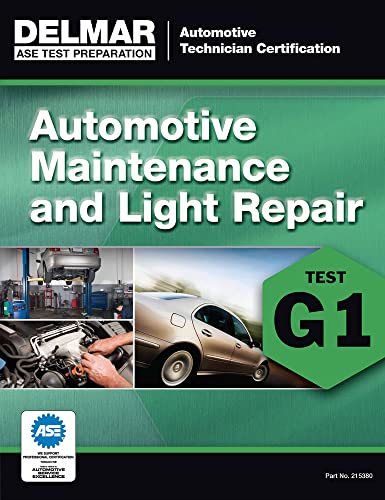
 Buy on Amazon
Explore More ASE Certifications
Continue into nearby exams from the same family. Each card keeps practice questions, study guides, flashcards, videos, and articles in one place.
 1 Job Wiki
More From This Family
Videos and articles for deeper review.