India Railway Recruitment Exam Flashcards
India Railway Recruitment Board exam prep (RRB NTPC, Group D, ALP, JE, Technician) with practice questions and flashcards covering mathematics, general intelligence and reasoning, general science, and general awareness and current affairs.. Build active recall with mapped term-definition sets, then move into the matching free practice questions and study guides.
2
Flashcard sets
100
Term-definition cards
2
Related exam IDs
Free India Railway Recruitment flashcard sets
Open the exact exam set first. Each flashcard page keeps the term, definition, topic, and AI explanation together.
RRB Group D Flashcards
Review the mathematics, reasoning, Class 10 general science, and general awareness concepts tested in the RRB Level 1 CBT.
RRB NTPC Flashcards
Covers General Awareness, Mathematics, and General Intelligence & Reasoning for Railway Recruitment Board non-technical popular category posts.
Related free exam resources
Use flashcards for recall, then continue into matching practice questions, study guides, videos, glossary terms, and comparisons.
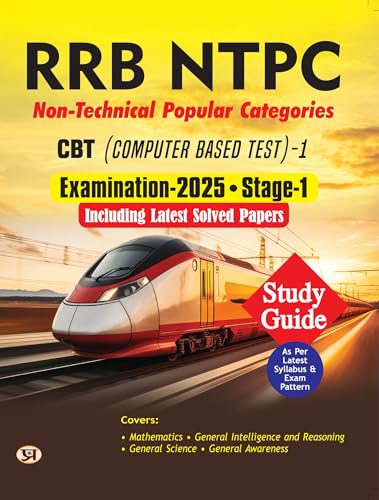
 Buy on Amazon
India Railway Recruitment flashcard FAQ
What should I study first for India Railway Recruitment?
Start with the flashcard set that matches your exact exam, then review the shared concepts across this family. This page includes 100 flashcards across 2 sets, including RRB Group D (Level 1) Computer-Based Test, RRB Non-Technical Popular Categories (NTPC) Computer-Based Test.
Do India Railway Recruitment flashcards replace a study guide?
No. Flashcards are best for active recall of terms and definitions. Use the matching study guide for full explanations and the practice questions to test application under exam-style conditions.
Why are multiple India Railway Recruitment exams grouped together?
OpenExamPrep groups related credentials by taxonomy family so candidates can compare closely related exams and reuse shared vocabulary without browsing unrelated domains.
How often should I review India Railway Recruitment flashcards?
Short daily sessions usually work better than cramming. Review missed cards more often, then use practice questions to confirm whether the definition is strong enough to recognize in a realistic exam item.