Patient Care
18%of exam
Safety
40%of exam
Image Production
42%of exam
Procedure Modules
20-25%of exam
Quick Facts
- Exam
- Limited Scope
- Owner
- ARRT/state agencies
- Core
- 100 scored
- Pilots
- Core +15
- Modules
- State assigned
- Core time
- 1h 55m
- Fee
- $150
- Pass
- State-determined 75
Identifier vs Room
Identifier
- Name/DOB
- Matches order
- Patient-specific
Room
- Location only
- Can change
- Never enough
Verify the person
Patient Action Picker
- Patient refuses→Stop exam(Document)
- Wrong identity→Reverify(Two IDs)
- Pulseless patient→CPR/AED(Activate help)
- Airway reaction→Emergency response(Oxygen/epi)
- Contact isolation→Gown/gloves(Before entry)
- Catheter transfer→Bag below(Closed system)
- Pregnancy question→Follow policy(Protect fetus)
- Order mismatch→Clarify order(Before exposure)
Patient Rights
- Two identifiers
- Name plus DOB
- Consent
- Permission for care
- Refusal
- Stop and document
- HIPAA
- Protect PHI
- Battery
- Unauthorized touching
- Negligence
- Care below standard
- Respondeat
- Employer liability
- Res ipsa
- Thing speaks
Sterile vs Aseptic
Sterile
- No microorganisms
- Sterile field
- Surgical asepsis
Aseptic
- Reduce microbes
- Clean technique
- Break transmission
Eliminate vs reduce
Infection + Emergency
- Hand hygiene
- Before/after contact
- Standard
- Every patient
- Contact
- Gown + gloves
- Droplet
- Mask close contact
- Airborne
- N95 isolation
- Asepsis
- Reduce microbes
- Sterile
- No microorganisms
- CPR/AED
- Pulseless response
- Contrast airway
- Emergency reaction
ALARA
ALARA: time distance shielding
Deterministic vs Stochastic
Deterministic
- Threshold
- Severity increases
- Tissue reaction
Stochastic
- No threshold
- Probability increases
- Cancer risk
Severity vs chance
Radiation Physics
- Thermionic
- Electron release
- Bremsstrahlung
- Braking radiation
- Characteristic
- Shell transition
- Primary beam
- Useful x-rays
- Remnant beam
- Exit radiation
- Photoelectric
- Absorption interaction
- Compton
- Scatter interaction
- Attenuation
- Beam reduction
- Gy
- Absorbed dose
- Sv
- Dose equivalent
Grid vs Collimation
Grid
- Absorbs scatter
- Improves contrast
- May raise dose
Collimation
- Limits field
- Lowers scatter
- Protects patient
Clean vs restrict
Radiation Protection
- ALARA
- Keep dose low
- Time
- Shorter exposure
- Distance
- Inverse square
- Shielding
- Barrier attenuation
- Collimation
- Restrict beam
- Filtration
- Remove low energy
- Dosimeter
- Personnel monitor
- Pregnancy
- Follow policy
- Scatter
- Patient source
- DAP
- Dose-area product
Technique
mAs quantity; kVp quality
kVp vs mAs
kVp
- Beam quality
- Contrast effect
- Penetration
mAs
- Beam quantity
- Receptor exposure
- Noise control
Quality vs quantity
Image Correction Picker
- Quantum noise→Increase exposure(More signal)
- Motion blur→Shorter time(Immobilize)
- Magnification→Lower OID(Increase SID)
- Shape distortion→Align part(Reduce angle)
- Scatter fog→Collimate/grid(Clean contrast)
- Rotation error→Reposition(Check landmarks)
- Anatomy clipped→Repeat view(Include anatomy)
- Wrong marker→Correct marker(Legal ID)
Technique Factors
- kVp
- Beam quality
- mAs
- Beam quantity
- 15% rule
- Doubles receptor exposure
- SID
- Source distance
- OID
- Object distance
- Focal spot
- Detail control
- Motion
- Blur source
- Grid
- Scatter cleanup
- AEC
- Automatic exposure
- EI
- Exposure indicator
Geometry
SID up; OID down
SID vs OID
SID
- Source distance
- Longer reduces blur
- Affects intensity
OID
- Part distance
- Shorter reduces magnification
- Affects distortion
Far source, close part
Digital + QA
- Pixel
- Image element
- DEL
- Detector element
- DQE
- Detector efficiency
- SNR
- Signal/noise ratio
- Histogram
- Exposure distribution
- Artifact
- Unwanted image mark
- Marker
- Side identification
- Fog
- Unwanted exposure
- Calibration
- Detector maintenance
- Monitor QC
- Display quality
Core Counts
Core: PC=18 S=40 IP=42
Position vs Projection
Position
- Patient placement
- Body orientation
- Landmarks
Projection
- Beam path
- Entry/exit
- CR direction
Body vs beam
Procedure Picker
- State assigns chest→Chest module(20 scored)
- Routine chest→PA/lateral(Upright)
- Fluid level→Decubitus(Horizontal beam)
- Extremity trauma→Modify views(Do no harm)
- Long bone→Include joints(Both ends)
- Sinus fluid→Erect view(Shows levels)
- C-spine trauma→No manipulation(Stabilize)
- Foot alignment→Weightbearing(If ordered)
Procedure Modules
- Chest
- 20 scored
- Extremities
- 25 scored
- Skull/Sinuses
- 20 scored
- Spine
- 25 scored
- Podiatric
- 20 scored
- Each module
- Five pilots
- CSR
- Assigned modules
- State agency
- Sets eligibility
Positioning Hooks
- PA chest
- Upright routine
- Lateral chest
- Second routine view
- Decubitus
- Air/fluid levels
- Long bone
- Include joints
- Oblique
- Unsuperimpose anatomy
- C-spine
- Do not force
- Sinuses
- Erect when possible
- Weightbearing
- Podiatric comparison
Common Traps
Consent vs order
Order requests exam ≠ Consent permits care
Room vs patient
Room number moves ≠ Identifiers stay patient-specific
ALARA scope
Patient dose minimized ≠ ALARA names personnel
mAs vs kVp
mAs controls quantity ≠ kVp controls quality
Grid vs dose
Grid cleans scatter ≠ Grid may raise exposure
Position vs projection
Position is body ≠ Projection is beam
Pilot vs scored
Pilots are hidden ≠ Pace every item
Last Minute
- 1.Confirm state modules
- 2.Core has 100 scored
- 3.Safety has 40 scored
- 4.Image Production has 42
- 5.Patient Care has 18
- 6.Use two identifiers
- 7.ALARA: time distance shielding
- 8.kVp quality; mAs quantity
- 9.15% rule doubles exposure
- 10.Never disclose exam items
 Free CE
Third-party resources · We may earn a commission from purchases.
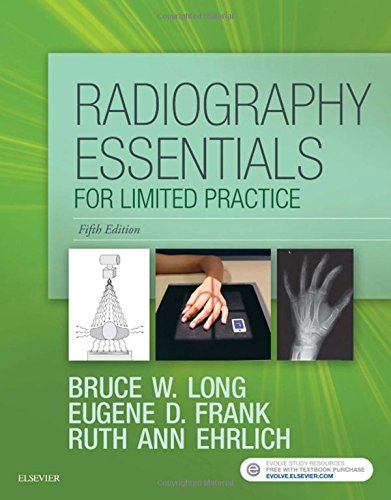
Radiography Essentials for Limited Practice
By Long MS RT(R)(CV) FASRT FAEIRS, Bruce W., Frank MA FASRT FAEIRS RT(R)(ARRT) (Retired), Eugene D., Ehrlich RT(R)(ARRT), Ruth Ann
$25.44 · 
 Practice exams on ExamEdge
 Study guide on Mometrix
Explore More ARRT Certifications
Continue into nearby exams from the same family. Each card keeps practice questions, study guides, flashcards, videos, and articles in one place.
More From This Family
Videos and articles for deeper review.