Diverse Student Populations
28%of exam
English Language Learners
28%of exam
Students With Disabilities
28%of exam
Teacher Responsibilities
8%of exam
School-Home Relationships
8%of exam
Quick Facts
- Program
- NYSTCE
- Owner
- NYSED/Pearson
- EAS Code
- 201
- EAS Format
- 40 SR + 3 CR
- EAS Time
- 2h 15m testing
- EAS Pass
- 520 scaled
- EAS Fee
- $80
- CST Format
- Varies by test
- Retake
- 30/60 days
- Waiver
- EAS excluded
Formative vs Summative
Formative
- During learning
- Adjust teaching
- Low stakes
Summative
- After learning
- Evaluate mastery
- Higher stakes
Guide vs judge
Instruction Picker
- Before new unit→Diagnostic data
- Multiple barriers→UDL options
- Readiness differs→Differentiation
- Needs strategy→Model first
- Needs independence→Fade scaffolds
- Already mastered→Extension task
Responsive Practice
- Asset lens
- Strengths first
- Funds knowledge
- Home community expertise
- Student survey
- Learn identities
- Community examples
- Relevant contexts
- UDL
- Design access upfront
- Differentiation
- Adjust pathway
- Scaffold
- Temporary support
- Gradual release
- Model guide release
Validity vs Reliability
Validity
- Measures target
- Appropriate inference
- Access matters
Reliability
- Consistent score
- Stable criteria
- Rubrics help
Right skill vs consistent
Assessment Access
- Diagnostic
- Before instruction
- Formative
- During learning
- Summative
- After instruction
- Validity
- Measures target skill
- Reliability
- Consistent results
- Bias review
- Find unfair barriers
- Rubric
- Shared criteria
- Progress monitor
- Track response
Inclusive Climate
- Belonging
- Every student included
- DASA
- Harassment prevention
- Restorative
- Repair harm
- Representation
- Students see themselves
- Expectations
- Teach behaviors
- Gifted
- Depth not extra
- Extension
- Higher-order task
- Stereotype
- Avoid group assumptions
ELL Assets
Home language helps academic growth
BICS vs CALP
BICS
- Social language
- Conversation
- Context-rich
CALP
- Academic language
- School tasks
- Cognitively demanding
Chat vs academics
ELL Support Picker
- New content words→Vocabulary preview
- Complex input→Visuals/realia
- Academic talk→Sentence frames
- Quiet newcomer→Low-risk response
- Family meeting→Qualified interpreter
- Assessing knowledge→Language data
Language Development
- BICS
- Social language
- CALP
- Academic language
- Silent period
- Listening stage
- Transfer
- Home language helps
- Interlanguage
- Developing English system
- Comprehensible input
- Understandable language
- Output
- Practice producing language
- Code-switching
- Context language choice
ELL Scaffolds
- Visuals
- Make input clear
- Realia
- Concrete objects
- Sentence frames
- Structured language
- Word bank
- Vocabulary support
- Modeling
- Show target response
- Partner rehearsal
- Practice before sharing
- Native language
- Asset support
- Language objective
- Target language use
Literacy
- Academic language
- School task language
- Tier 2
- High-use academic words
- Tier 3
- Content-specific words
- Text complexity
- Text plus task
- Annotation
- Mark evidence
- Disciplinary literacy
- Subject reading norms
- Writing to learn
- Process ideas
- Content literacy
- Learn through language
IEP Check
Read implement document collaborate
Accommodation vs Modification
Accommodation
- Access changes
- Standard stays
- How changes
Modification
- Expectation changes
- Standard shifts
- What changes
How vs what
Disability Support Picker
- IEP lists support→Implement it
- Access barrier→Accommodation
- Different standard→Modification
- Behavior pattern→FBA/BIP
- Skill gap persists→MTSS data
- Tool may help→Assistive tech
IDEA + 504
- IDEA
- Specially designed instruction
- IEP
- Individualized education plan
- 504
- Access accommodations
- FAPE
- Appropriate public education
- LRE
- Maximum appropriate inclusion
- CSE
- Special education committee
- Due process
- Parent rights protection
- Confidentiality
- Protect student records
IDEA vs 504
IDEA
- Special instruction
- IEP required
- Disability categories
504
- Access plan
- Accommodations
- Major life limits
Instruction vs access
IEP Actions
- Accommodation
- Access change
- Modification
- Outcome change
- Goal
- Measurable target
- Service
- Required support
- Assistive tech
- Access tool
- Consult specialist
- Use expertise
- Document
- Record implementation
- Progress data
- Evidence toward goal
Tiered Supports
- MTSS
- Academic behavior tiers
- RtI
- Instructional response data
- Tier 1
- Core instruction
- Tier 2
- Targeted small group
- Tier 3
- Intensive individualized support
- PBIS
- Positive behavior supports
- FBA
- Behavior function analysis
- BIP
- Behavior intervention plan
Nonnegotiables
Confidentiality safety reporting documentation
Confidentiality vs Collaboration
Confidentiality
- Limit sharing
- Need-to-know
- Protect records
Collaboration
- Use team
- Authorized staff
- Shared support
Private yet team-based
Responsibility Picker
- Abuse suspected→Mandated report
- Safety risk→Immediate action
- Record request→Follow FERPA
- IEP question→CSE/team
- Role unclear→Consult supervisor
- Incident occurs→Document facts
Professional Duties
- Mandated report
- Report reasonable suspicion
- Safety
- Act immediately
- Privacy
- Need-to-know sharing
- FERPA
- Student record privacy
- Collaboration
- Use appropriate team
- Scope
- Stay in role
- Documentation
- Record facts
- Equity
- Protect equal access
Retake vs Waiver
Retake
- Register again
- Wait window
- All tests
Waiver
- Eligible scores
- Content exams
- EAS excluded
Retry vs review
CST Planning
- CST
- Content specialty test
- Framework
- Official objectives
- Constructed response
- Written assignment
- Selected response
- Multiple-choice items
- Score scale
- Varies by test
- Fee
- Varies by test
- Time
- Varies by test
- Safety net
- Test-specific option
EAS Weights
Three big 28s, two small 8s
EAS vs CST
EAS
- Pedagogy judgment
- Diverse learners
- All students
CST
- Subject knowledge
- Content pedagogy
- Certification area
Teaching lens vs subject
Testing Picker
- First Initial→EAS + CST
- Subject unknown→Certification area
- CST details→Specific test page
- Near pass CST→Waiver rules
- Failed EAS→Retake policy
- Written task→Claim evidence rationale
Family Partnerships
- Two-way
- Listen and share
- Interpreter
- Qualified language support
- Plain language
- Avoid jargon
- Strengths
- Begin positively
- Home support
- Practical next steps
- Consent
- Required decisions
- Culture
- Ask before assuming
- Follow-up
- Close communication loop
CR Frame
Claim Evidence Rationale Action
Interpreter vs Student
Interpreter
- Qualified adult
- Accurate language
- Confidential role
Student
- Not appropriate
- Role conflict
- Privacy risk
Adult support required
Constructed Response
- Claim
- Direct answer
- Evidence
- Use exhibits
- Rationale
- Explain teacher move
- Pedagogy
- Connect to principle
- All parts
- Address every task
- Specific action
- Name next step
- Concise
- Avoid filler
- Original work
- Use own words
Claim vs Evidence
Claim
- Direct answer
- Teacher action
- Prompt-aligned
Evidence
- Scenario detail
- Exhibit clue
- Supports claim
Say then prove
Logistics
- Initial teaching
- Usually EAS + CST
- EAS waiver
- Not eligible
- CST waiver
- Score-window option
- Retake wait
- Usually 30 days
- Some retakes
- 60 days
- edTPA
- No longer required
- TEACH
- Certification account
- Workshops
- Pathway requirements
Common Traps
Single NYSTCE Exam
One test ≠ Testing program
EAS Waiver
Eligible ≠ Not eligible
Lower Rigor
Simplify content ≠ Scaffold access
Home Language
Stop using it ≠ Use as asset
IEP Choice
Teacher discretion ≠ Legal obligation
Accommodation
Changes standard ≠ Changes access
Mandated Report
Investigate first ≠ Report suspicion
Family Interpreter
Use child ≠ Use qualified adult
Constructed Response
General advice ≠ Scenario evidence
CST Facts
Same for all ≠ Varies by test
Last Minute
- 1.EAS: 40 SR + 3 CR
- 2.EAS pass: 520 scaled
- 3.EAS time: 2h 15m
- 4.EAS weights: 28s plus 8s
- 5.CST facts vary by test
- 6.EAS waiver is excluded
- 7.Retakes: check 30/60 days
- 8.Scaffold access, not rigor
- 9.Home language is asset
- 10.IEP supports are required
- 11.Report suspicion, do not investigate
- 12.Use claim evidence rationale
 Free CE
Third-party resources · We may earn a commission from purchases.
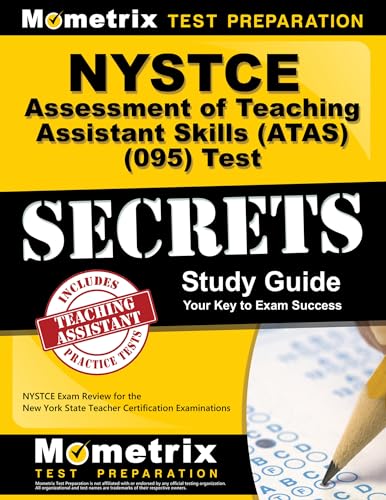
NYSTCE Assessment of Teaching Assistant Skills (ATAS) (095) Test Secrets Study Guide: NYSTCE Exam Review for the New York State Teacher Certification Examinations
By NYSTCE Exam Secrets Test Prep Team
$46.13 · 
 Flashcards on Mometrix
Explore More State Teacher Licensure Exams
Continue into nearby exams from the same family. Each card keeps practice questions, study guides, flashcards, videos, and articles in one place.
 1 Job Wiki
More From This Family
Videos and articles for deeper review.