Free ABIM Neurocritical Care Exam Prep
American Board of Internal Medicine Neurocritical Care Subspecialty Certification
Prepare for the ABIM Neurocritical Care exam without spending hundreds on expensive prep courses. Free study guides, practice questions, flashcards, and related exam resources.
Quick Facts
Explore More ABIM Board Certifications
Continue into nearby exams from the same family. Each card keeps practice questions, study guides, flashcards, videos, and articles in one place.
ABIM ABIM Board Certifications License: Complete Roadmap
Follow this path to organize your licensing and exam preparation
Acute Ischemic Stroke & Reperfusion TherapyYou are here
Master IV thrombolysis windows and contraindications (alteplase 0-4.5 hrs per NINDS; tenecteplase 0.25 mg/kg single bolus preferred per AHA 2024 + AcT 2022). Memorize NIHSS cutoffs and ASPECTS scoring. Know mechanical thrombectomy criteria: 0-6 hrs standard (HERMES NNT ~3, MR CLEAN), 6-24 hrs with imaging selection (DAWN clinical/core mismatch, DEFUSE 3 perfusion mismatch). Post-tPA BP <180/105 and hemorrhagic transformation risk.
ICH, SAH & Anticoagulant Reversal
ICH BP control SBP <140 (INTERACT-2, ATACH-2). Master reversal: 4F-PCC + vitamin K for warfarin, idarucizumab for dabigatran, andexanet alfa per ANNEXA-I 2023 for apixaban/rivaroxaban (with thromboembolic risk awareness). SAH Hunt-Hess, WFNS, and Modified Fisher grading; aneurysm coiling vs clipping (ISAT favored coiling); nimodipine 60 mg q4h x 21 days; modern euvolemic-induced HTN replaces 'triple H'; EVD for post-SAH/IVH hydrocephalus.
TBI, Cerebral Edema & Status Epilepticus
Brain Trauma Foundation 4th ed. (2017): ICP >22 mmHg threshold, CPP 60-70 mmHg, hyperosmolar therapy (3% saline, mannitol 0.25-1 g/kg), DECRA + RESCUE-ICP for decompressive craniectomy. Distinguish cytotoxic vs vasogenic edema (dexamethasone only for vasogenic/tumor). Convulsive SE definition (≥5 min); benzodiazepine first; ESETT (2019) — fosphenytoin = levetiracetam = valproate. Continuous EEG ≥24-48 hrs for NCSE.
Spinal Cord, Neuromuscular & Brain Death
Neurogenic shock vs spinal shock. NASCIS controversy. MAP ≥85 mmHg x 7 days for SCI. GBS (LP albuminocytologic dissociation, IVIG vs PLEX, FVC monitoring). MG crisis (cholinergic vs myasthenic). AAN 2023 brain death: prerequisites, brainstem reflex testing, apnea test (PaCO2 ≥60 or 20+ baseline), ancillary studies only when exam unreliable; pediatric 2-exam protocol. UNOS allocation, DBD vs DCD organ donation.
Anoxic Brain Injury, Monitoring & Practice Exams
TTM2 (2021): 33°C = 36°C, ERC/AHA recommend 32-36°C ≥24 hrs with fever avoidance. Multimodal prognostication ≥72 hrs post-ROSC (exam, EEG, SSEP N20, NSE ≥60). Multimodality monitoring: ICP, CPP = MAP - ICP, PbtO2 ≥20 mmHg, SjvO2 55-75%, microdialysis lactate/pyruvate >40, TCD Lindegaard ratio. Imaging: CT for hemorrhage, MRI DWI hyperacute ischemia, CT/MR perfusion penumbra vs core, DSA gold standard. Complete timed full-length practice exams.
Can You Take the ABIM Neurocritical Care Exam?
Check if you meet the basic eligibility requirements
- •Active ABIM Internal Medicine primary certification
- •Active ABIM Critical Care Medicine subspecialty certification
- •Satisfactory completion of a 1-year Neurocritical Care fellowship (or a 2-year combined Critical Care + Neurocritical Care fellowship)
- •Unrestricted medical license
- •Participation in ABIM MOC once certified
ABIM Neurocritical Care Quick Facts
Time to Get Licensed
10-18 months typical preparation in parallel with the Neurocritical Care fellowship
From start to license in hand
Retake Policy
Candidates who do not pass may register for the next ABIM Neurocritical Care administration (typically annual). Application fees apply to each attempt. Maintenance of certification is required every 10 years; ABIM diplomates may use the Longitudinal Knowledge Assessment (LKA) where offered.
Total Cost Breakdown
Free ABIM Neurocritical Care Prep Tools
Reported exam pass rate: Pass rates not routinely published by ABIM for this subspecialty; first ABIM administration was October 2021. These figures describe exam candidates, not OpenExamPrep user outcomes. Check the exam sponsor’s website for published statistics.
120+ Practice Questions
Practice by topic with detailed answer explanations
AI Tutor Explains Mistakes
Understand why answers are wrong, not just which ones
Independent Study Resources
Check the exam sponsor for current requirements
$0 Forever
Start without a credit card or trial
What You'll Study
27 chapters covering the exam topics in this guide
Introduction & Exam Overview
4 sections
ICU Neurologic Exam, Cerebral Physiology, and CSF
3 sections
Core Neuropharmacology
4 sections
Reperfusion Drugs, Airway, and Ventilation
4 sections
Hemodynamics and Shock
3 sections
Nutrition, Temperature, and ICU Prophylaxis
3 sections
General Trauma
3 sections
Pulmonary Critical Care
3 sections
Cardiovascular Critical Care
3 sections
Renal and Infectious Disease
4 sections
Endocrine and Salt-Water Disorders
3 sections
Gastrointestinal Critical Care
3 sections
Hematologic Disorders
3 sections
Neuroimaging
3 sections
EEG, EMG, and CSF Analysis
3 sections
ICP, TCD, and Multimodality Monitoring
3 sections
Brain Death and Bedside Procedures
3 sections
Coma, Anoxia, and Intracranial Hypertension
4 sections
Acute Ischemic Stroke
3 sections
Intraparenchymal Hemorrhage
3 sections
SAH, CVST, and Spinal Cord Infarction
4 sections
Vascular Anomalies and Traumatic Brain Injury
4 sections
Spine, Hydrocephalus, and CNS Infection
4 sections
Seizures and Neuromuscular Emergencies
4 sections
Inflammatory Disease, Neuro-Oncology, and Special Populations
4 sections
Neurosurgical and Perioperative Complications
3 sections
Ethics, Prognostication, and Organ Donation
4 sections
ABIM Neurocritical Care Exam Details
American Board of Internal Medicine Neurocritical Care Subspecialty Certification
Administered by American Board of Internal Medicine (ABIM)
Exam Content Breakdown
Based on the official American Board of Internal Medicine (ABIM) content outline
IV thrombolysis (alteplase 0-4.5 hrs per NINDS; tenecteplase 0.25 mg/kg single bolus per AHA 2024 update + AcT 2022), inclusion/exclusion, post-tPA BP <180/105, hemorrhagic transformation; mechanical thrombectomy 0-6 hrs (HERMES NNT ~3, MR CLEAN), extended 6-24 hrs with imaging selection (DAWN clinical/core mismatch, DEFUSE 3 perfusion mismatch); NIHSS 0-42 cutoffs; ASPECTS ≥6 for thrombectomy.
ICH BP control SBP <140 (INTERACT-2, ATACH-2), anticoagulant reversal (4F-PCC for warfarin, idarucizumab for dabigatran, andexanet alfa per ANNEXA-I 2023 for FXa inhibitors), surgical evacuation (cerebellar >3 cm); SAH Hunt-Hess/WFNS/Modified Fisher grading, aneurysm clipping vs coiling (ISAT favored coiling), nimodipine 60 mg q4h x 21 days for vasospasm prevention, modern euvolemic-induced HTN; EVD for hydrocephalus.
Convulsive SE = ≥5 min continuous seizure or ≥2 seizures without recovery; benzodiazepine first-line; ESETT (2019) showed fosphenytoin = levetiracetam = valproate equivalent for benzo-refractory; refractory and super-refractory definitions; continuous EEG ≥24-48 hrs for non-convulsive SE detection; ictal-interictal continuum patterns.
Glasgow Coma Scale 3-15 (severe ≤8); Brain Trauma Foundation 4th ed. (2017): ICP threshold >22 mmHg, CPP target 60-70 mmHg, hyperventilation only as bridge (PaCO2 30-35 short term, avoid <25); hyperosmolar therapy (3% saline bolus, mannitol 0.25-1 g/kg); decompressive craniectomy per DECRA + RESCUE-ICP; cytotoxic vs vasogenic vs interstitial edema; dexamethasone for vasogenic (tumor) — NOT cytotoxic stroke.
Neurogenic shock (hypotension + bradycardia from sympathetic disruption) vs spinal shock (transient areflexia/flaccid paralysis); high-dose methylprednisolone (NASCIS II/III) controversial — most centers no longer use; MAP goal ≥85 mmHg x 7 days; GBS (ascending paralysis, areflexia, albuminocytologic dissociation, AIDP, IVIG 0.4 g/kg/day x 5 or PLEX, watch FVC <20 mL/kg or NIF >-30); MG crisis (cholinergic vs myasthenic, IVIG/PLEX, intubate before failure).
AAN 2023 update (with pediatric guideline 2023): prerequisites (cause known, exclude reversible, T ≥36°C, SBP ≥100); clinical exam (coma + brainstem reflex absence: pupillary, corneal, oculocephalic, vestibulo-ocular cold caloric, pharyngeal, tracheal cough); apnea test (PaCO2 ≥60 or 20+ above baseline); ancillary studies (EEG, cerebral angiography, TCD, nuclear scan) only if clinical exam unreliable; pediatric requires 2 exams + observation; UNOS allocation; DBD vs DCD.
Anticoagulant reversal (vitamin K + 4F-PCC for warfarin; idarucizumab/Praxbind for dabigatran; andexanet alfa/Andexxa for apixaban/rivaroxaban per ANNEXA-I 2023 + ANNEXA-A/R; PCC off-label for FXa inhibitors); ICU sedation (propofol, dexmedetomidine, midazolam, ketamine); vasoactives in neuro-ICU; antiseizure medications; osmotic therapy.
Targeted Temperature Management (TTM2 2021 showed 33°C = 36°C; ERC 2021 + AHA 2023 recommend TTM 32-36°C for ≥24 hrs with active fever avoidance); multimodal neuro-prognostication delayed to ≥72 hours after ROSC (clinical exam, EEG, SSEP N20 absence, NSE ≥60 ng/mL, neuroimaging); avoidance of single-modality decisions.
ICP monitoring (parenchymal vs EVD), CPP = MAP - ICP, PbtO2 brain tissue oxygen ≥20 mmHg, jugular bulb saturation SjvO2 55-75%, NIRS, microdialysis (lactate/pyruvate >40 anaerobic), TCD (vasospasm Lindegaard ratio MCA/ICA >3 mild, >6 severe); CT for acute hemorrhage, MRI DWI for hyperacute ischemia, CTA/MRA for vessels, CT/MR perfusion (penumbra vs core), DSA gold standard for aneurysm/AVM.
What's Included
27 Chapters
Complete exam coverage
Practice Quizzes
With detailed explanations
Free to Start
No credit card required
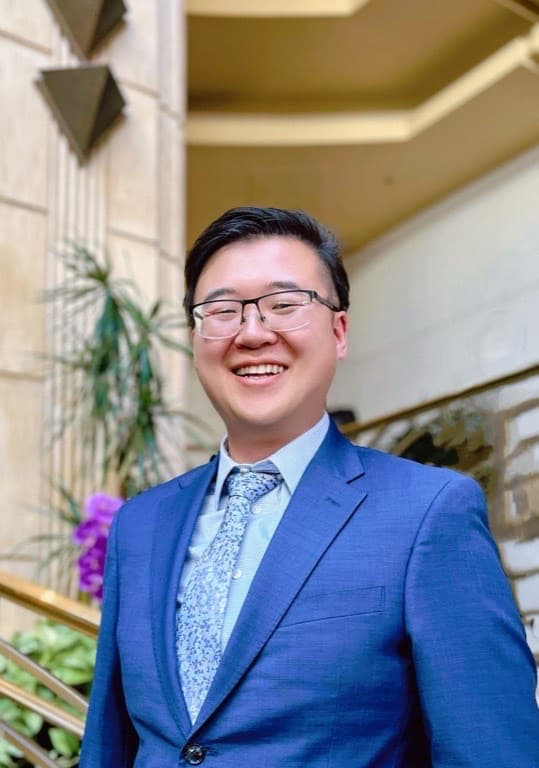
Quality Exam Prep Shouldn't Cost Hundreds
I'm Ran Chen, an engineer with 20+ years of coding experience. I passed my Life Insurance license, EA exam, SIE, Series 6, 63, 65, and finally the CFP® exam.
Through all these exams, one thing became clear: exam prep is expensive. But with AI, we can change that. Quality preparation can now be free for everyone.
What's Next After the ABIM Neurocritical Care?
After passing the ABIM Neurocritical Care, you can pursue these career paths
ABIM Neurocritical Care Exam FAQ
Official American Board of Internal Medicine (ABIM) Resources
Verify information with these official sources
More Free Resources
Ready to Start Your Free ABIM Neurocritical Care Prep?
Review the study guide, practice key concepts, and use the free tools at your own pace.