USMLE Exam Flashcards
USMLE exam prep with certification guides, practice questions, flashcards, and coverage for basic sciences, pathophysiology, clinical diagnosis, pharmacology, biostatistics and epidemiology, and patient management.. Build active recall with mapped term-definition sets, then move into the matching free practice questions and study guides.
3
Flashcard sets
150
Term-definition cards
3
Related exam IDs
Free USMLE flashcard sets
Open the exact exam set first. Each flashcard page keeps the term, definition, topic, and AI explanation together.
USMLE Step 1 Flashcards
Covers foundational mechanisms of health, disease, and therapy across general principles, organ systems, biostatistics, epidemiology, and social sciences.
USMLE Step 2 CK Flashcards
Active-recall cards mapped to the official USMLE Step 2 CK system categories and physician tasks, covering diagnosis, laboratory interpretation, management, prevention, prognosis, patient safety, and professionalism.
USMLE Step 3 Flashcards
50 active-recall flashcards covering Day 1 Foundations of Independent Practice (biostatistics, ethics/legal, patient safety, pharmacology, foundational science) and Day 2 Advanced Clinical Medicine (organ-system diagnosis and management) plus CCS case simulation strategy.
Related free exam resources
Use flashcards for recall, then continue into matching practice questions, study guides, videos, glossary terms, and comparisons.
 1 Job Wiki
 Free CE
Third-party resources · We may earn a commission from purchases.

USMLE Step 1 Preparation Secrets Study Guide: USMLE Exam Review for the United States Medical Licensing Examination Step 1
By USMLE Exam Secrets Test Prep Team
$66.99 · 
 Take courses on Udemy
 Prep course on Achievable
 Study guide on Mometrix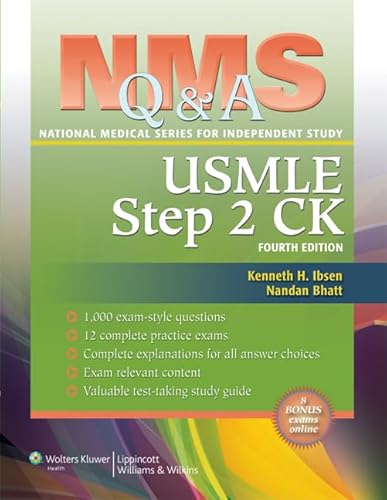

USMLE flashcard FAQ
What should I study first for USMLE?
Start with the flashcard set that matches your exact exam, then review the shared concepts across this family. This page includes 150 flashcards across 3 sets, including USMLE Step 1, USMLE Step 2 CK, USMLE Step 3.
Do USMLE flashcards replace a study guide?
No. Flashcards are best for active recall of terms and definitions. Use the matching study guide for full explanations and the practice questions to test application under exam-style conditions.
Why are multiple USMLE exams grouped together?
OpenExamPrep groups related credentials by taxonomy family so candidates can compare closely related exams and reuse shared vocabulary without browsing unrelated domains.
How often should I review USMLE flashcards?
Short daily sessions usually work better than cramming. Review missed cards more often, then use practice questions to confirm whether the definition is strong enough to recognize in a realistic exam item.