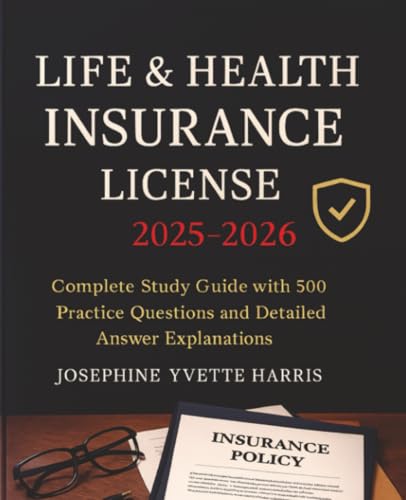
Why Most Working Professionals Fail Their Licensing Exam on the First Try
Most people sitting for licensing exams—the SIE, Series 7, NCLEX-RN, real estate salesperson, PMP, and dozens more—are juggling 40+ hour work weeks with their exam prep. And yet, first-time pass rates hover around 74% for the SIE (per FINRA's 2019 disclosure covering 58,264 first-time test takers) and approximately 71% for the Series 7 (FINRA 2019 ARM conference data). Thousands of working professionals fail every year—not because the material is impossible, but because they study wrong.
The two biggest reasons working professionals fail:
-
They study inconsistently. A burst of motivation leads to a few intense study sessions, followed by weeks of nothing. Then panic sets in before exam day and they cram—which does not work for retention. The Ebbinghaus forgetting curve shows that roughly 67% of newly learned material is forgotten within 24 hours without review (Ebbinghaus, 1885). Without daily reinforcement, each session starts from scratch.
-
They study passively. After a long workday, it is tempting to "study" by re-reading notes or watching videos on the couch. But passive review barely moves the needle. Active recall—answering practice questions, explaining concepts out loud, testing yourself—is what actually builds exam-ready knowledge. Roediger and Karpicke's landmark 2006 study showed that students who practiced retrieval retained 61% of material after one week, compared to just 40% for those who restudied the same content.
The good news? You do not need to quit your job or sacrifice your entire social life to pass. You need a smart, evidence-based strategy that works within your schedule. That is exactly what this guide provides.
Evidence-Based Study Techniques Every Working Professional Should Know
Before diving into schedules, you need to understand the three techniques that decades of cognitive science research have validated as the most effective ways to learn. Dunlosky et al.'s 2013 review of 10 learning techniques rated only two as "high utility": practice testing (active recall) and distributed practice (spaced repetition). Here is how to use them.
1. Spaced Repetition
Spaced repetition means reviewing material at increasing intervals instead of cramming it all at once. A 2006 meta-analysis by Cepeda and colleagues analyzed 254 studies and confirmed that spaced practice produces significantly better long-term retention than massed practice—by roughly 200% in many comparisons. The key insight: the brain consolidates memories during the gaps between study sessions, particularly during sleep.
Practical spaced-repetition intervals for exam prep:
- Review new material within 24 hours of first learning it (combats the forgetting curve's steepest drop)
- Review again after 3 days, then after 7 days, then after 14 days
- Use flashcard apps (like our free practice questions) that automatically surface cards you missed more frequently
- Never let more than 48 hours pass without touching material you are actively learning
2. Active Recall (The Testing Effect)
Active recall means retrieving information from memory rather than passively re-reading it. The testing effect—documented by Roediger and Karpicke (2006) and rated one of only two "high utility" learning techniques in Dunlosky et al.'s 2013 review—shows that practicing retrieval is more effective than restudying, even without feedback.
How to apply active recall during your study hour:
- Spend at least 60% of your time answering practice questions, not reading
- After reading a topic, close the book and write down everything you remember
- Explain concepts out loud as if teaching a coworker
- Use practice quizzes even on material you "just read"—the struggle to recall is what builds memory
3. Interleaving
Interleaving means mixing different topic areas within a single study session rather than blocking all time on one topic. Dunlosky et al. (2013) found that interleaved practice improves discrimination—the ability to identify which concept applies to which problem—which is exactly what licensing exams test. Instead of studying all of "bonds" in one sitting, mix bonds, equities, and options questions together, the way the real exam does.
How to interleave:
- Alternate between 2-3 topic areas per session (e.g., 15 minutes of contracts, 15 minutes of financing, 15 minutes of math)
- Use mixed practice question sets rather than single-topic drills once you have baseline familiarity
- Simulate exam conditions with full-length, mixed-topic practice exams on weekends
4. The Pomodoro Technique (and Variants)
The Pomodoro technique, developed by Francesco Cirillo in the late 1980s, uses 25-minute focus blocks followed by 5-minute breaks. After four cycles, take a longer 15-30 minute break. A 2025 scoping review of 32 studies (5,270 participants) found Pomodoro-style interventions consistently improved focus, reduced mental fatigue, and enhanced sustained performance compared to self-paced study. A study of 94 university students found Pomodoro users experienced less fatigue and higher motivation than those taking self-regulated breaks.
Pomodoro variants for different attention spans:
- Classic (25/5): Best for mobile study sessions and low-energy evenings
- Extended (50/10): Better for deep weekend study when you have momentum
- 52/17: A variation researchers found productive for knowledge workers—52 minutes of focus, 17 minutes of break
- 90/20: Ultradian rhythm-based; matches the brain's natural focus cycles for long practice exams
The 1-Hour Rule: How Small Daily Sessions Compound Into Exam Success
The single most powerful concept for working professionals is the 1-Hour Rule: commit to just one focused hour of study per day, and the math takes care of itself.
Here is how it compounds:
| Timeframe | Total Hours | What You Can Accomplish |
|---|---|---|
| 1 week | 7 hours | Cover 1-2 major topic areas |
| 2 weeks | 14 hours | Complete initial review of core content |
| 1 month | 30 hours | Finish content review + start practice questions |
| 6 weeks | 45 hours | Deep practice + full-length practice exams |
| 2 months | 60 hours | Comprehensive preparation for most licensing exams |
Most licensing exams require 40-80 total study hours. That means 1 hour per day gets you exam-ready in 6-10 weeks—even with a full-time job.
The Rules for Your 1 Hour
- Same time every day. Your brain builds a study habit when it happens on a predictable schedule.
- Phone on Do Not Disturb. One hour of focused study beats two hours of distracted half-study.
- Active recall only. Spend at least 60% of your time answering practice questions, not just reading.
- No excuses for zero days. Even 20 minutes on a terrible day keeps the chain alive. Consistency trumps intensity.
Pro Tip: Our free practice questions are designed for exactly this type of daily study session. Pick your exam, answer 20-30 questions, review explanations, and you have completed a productive hour.
A Concrete Weekly Schedule Template for Full-Time Workers
Here is a proven weekly template that combines daily micro-sessions, spaced repetition, interleaving, and weekend deep study. Adapt the times to your chronotype and work hours.
The Default Weekly Template (8-10 hours/week)
| Day | Time Block | Duration | Activity | Technique Used |
|---|---|---|---|---|
| Mon | 6:00-6:50 AM | 50 min | New content (Topic A) + 10 practice Qs | Active recall + Pomodoro 25/5 |
| Tue | 6:00-6:50 AM | 50 min | Review Monday's topic + new content (Topic B) | Spaced repetition (24-hr review) |
| Tue | 12:15-12:35 PM | 20 min | 15 mobile practice Qs on commute/lunch | Interleaving (mixed topics) |
| Wed | 6:00-6:50 AM | 50 min | Interleaved practice: Topics A + B + C mixed | Interleaving + active recall |
| Thu | 6:00-6:50 AM | 50 min | New content (Topic C) + review Monday's topic | Spaced repetition (3-day review) |
| Thu | 12:15-12:35 PM | 20 min | Flashcard review of missed Qs | Spaced repetition |
| Fri | 6:00-6:30 AM | 30 min | Light review + 10 practice Qs | Active recall |
| Sat | 9:00-11:30 AM | 2.5 hr | Full-length practice exam + thorough review | Simulated testing |
| Sun | 9:00-10:30 AM | 1.5 hr | Targeted weak-area review + missed Q bank | Spaced repetition (7-day review) |
| Total | ~8-10 hr |
Why This Template Works
- Monday and Tuesday introduce new material; the 24-hour review on Tuesday reinforces it before the forgetting curve steepens.
- Wednesday's interleaved session forces your brain to discriminate between topics—exactly what the real exam demands.
- Thursday's 3-day review hits the second spaced-repetition interval.
- Sunday's 7-day review hits the third interval, locking in the week's material.
- Saturday's full practice exam under timed conditions builds stamina and identifies gaps for Sunday's targeted review.
Sleep and Memory Consolidation: Why Rest Is a Study Strategy
Here is something most study guides skip: sleep is when learning happens. You do not learn while studying—you learn while sleeping, when your brain consolidates the day's experiences into long-term memory.
The Science of Sleep-Dependent Memory Consolidation
Research by Walker and Stickgold (2004) established that specific sleep stages solidify different types of memory:
- Slow-wave sleep (SWS) consolidates declarative memory—facts, definitions, formulas, and the kind of knowledge licensing exams test
- REM sleep consolidates procedural memory—skills and pattern recognition
A study published in PLOS ONE (2012) found that learning directly before night-time sleep preferentially promotes procedural memory consolidation, while learning in the afternoon (about 7.5 hours before sleep) may better support declarative memory. For licensing exam candidates studying facts and regulations, this suggests afternoon study sessions may have a slight consolidation advantage—but the effect is modest and consistency matters far more than the exact time of day.
Practical Sleep Rules for Exam Prep
- Sleep 7-9 hours nightly. An Imperial College London study (2024, published in BMJ Public Health) found that 7-9 hours is optimal for cognitive function, memory, and reasoning. Fewer than 7 hours had a clearly detrimental effect on brain function.
- Review key facts right before bed. A short 10-15 minute flashcard session before sleep gives your brain material to consolidate overnight.
- Never sacrifice sleep to study more. Sleep-deprived studying is nearly worthless—you fail to encode the material, and you impair the next day's work performance. It is a lose-lose.
- Take a 20-minute nap after intense study. Research shows even short naps improve memory consolidation and alertness for up to 2-3 hours afterward.
- Protect the last 60 minutes before sleep. No screens, no stressful work emails. Read your study notes or review flashcards in a dim room.
Morning vs. Evening Study: What the Research Actually Says
The Chronotype Factor Matters Most
The old advice that "morning study is always better" is an oversimplification. Research shows that your chronotype—your body's natural preference for morning or evening activity—matters more than the clock time itself. An Imperial College London study (2024, BMJ Public Health) found that adults who identified as "night owls" actually performed better on cognitive tests than "morning larks," scoring 7-13.5% higher. The key is studying when your brain is sharpest.
Morning Study Advantages
- Fewer interruptions (family, coworkers, notifications are asleep)
- Willpower and focus are highest before work drains them
- Study is done before the day's emergencies can derail it
- Consistent schedule is easier to protect
Evening Study Advantages
- More time available (no rush to get to work)
- Can study immediately after reviewing notes from the day
- Sleep consolidation follows directly after study, which may benefit procedural memory
Optimized Schedules for Both Chronotypes
Morning Study Schedule (5:30 - 6:30 AM)
- 5:30 - 5:35: Coffee and quick review of yesterday's mistakes
- 5:35 - 6:00: New content or concept review (25 minutes, Pomodoro block 1)
- 6:00 - 6:25: Practice questions on today's topic (25 minutes, Pomodoro block 2)
- 6:25 - 6:30: Mark difficult questions to revisit tomorrow
Evening Study Schedule (7:30 - 8:30 PM)
- 7:30 - 7:35: Brief review of flashcards from morning commute
- 7:35 - 8:00: Practice questions (active recall in the evening)
- 8:00 - 8:25: Review incorrect answers and read explanations thoroughly
- 8:25 - 8:30: Write down 3 key takeaways (this primes sleep-based memory consolidation)
What to avoid: Studying after 10:00 PM when you have work the next morning. Sleep deprivation destroys both work performance and study retention. It is a lose-lose.
Weekend Warrior vs. Daily Micro-Sessions: Which Strategy Wins?
The Weekend Warrior Approach
Some professionals try to bank all their study time on weekends—4 to 6 hours on Saturday, another 4 to 6 on Sunday.
The problem: Spaced repetition research shows this is dramatically less effective. Cramming 10 hours into two days produces significantly less retention than spreading those same hours across the week. By the following Friday, you have forgotten most of what you studied the previous weekend. One study found that students who crammed retained only 27% of course material 150 weeks later, while students who spaced their learning retained 82%.
Daily Micro-Sessions Win Every Time
Even 30 minutes per day across 7 days (3.5 hours/week) produces better exam results than 5 hours crammed into Saturday alone. Each session reinforces the previous day's learning, and sleep between sessions allows your brain to consolidate memories.
The Hybrid Approach (Best of Both Worlds)
The most effective strategy combines daily study with longer weekend sessions:
- Monday - Friday: 45-60 minutes of focused study (practice questions + review)
- Saturday: 2-3 hour deep study session (new content + full practice sets)
- Sunday: 1-2 hour review session (weak areas + timed practice exam section)
- Total: 8-10 hours per week—enough to pass most licensing exams in 4-6 weeks
Dead Time Is Study Time: Commutes, Lunch Breaks, and Hidden Minutes
Working professionals have more study time than they realize. The average American one-way commute is about 27 minutes—nearly an hour per day that can become study time.
Commute Time (30-60 minutes/day)
- Driving: Listen to exam prep audio or podcasts. We offer free exam prep podcasts covering securities, insurance, and real estate topics.
- Public transit: Mobile practice questions are perfect for trains and buses. Answer 10-15 questions per ride.
- Walking: Use audio flashcards or listen to concept explanations.
Lunch Break (20-30 minutes of usable study time)
Your lunch break is a golden study window. After eating, you have 20-30 minutes that most people waste scrolling social media. Instead:
- Complete a set of 15-20 practice questions on your phone
- Review flashcards for terms you missed yesterday
- Read one topic summary or concept explanation
Our free mobile-friendly practice questions are perfect for lunch-break study. Each question includes a detailed explanation, so you learn even when you get answers wrong. Try them at Open Exam Prep.
Waiting Room and Queue Time (10-20 minutes/day)
Doctor's office, oil change, grocery store line, waiting for a meeting to start—these micro-moments add up. Keep your exam prep app loaded and ready on your phone. A 2025 meta-analysis found that short, structured study intervals (like Pomodoro-style 25-minute blocks) consistently outperformed self-paced study for focus and retention.
The Math on Dead Time
| Dead Time Activity | Minutes/Day | Monthly Hours | Study Equivalent |
|---|---|---|---|
| Commute (one way) | 25 min | 8.3 hours | 2 full study sessions |
| Lunch break | 20 min | 6.7 hours | Nearly 2 full sessions |
| Waiting/queues | 15 min | 5.0 hours | 1.5 full sessions |
| Total | 60 min | 20 hours | 5+ full sessions/month |
That is roughly 20 extra study hours per month—the equivalent of adding an entire study session every weekday—without touching your evenings or weekends.
Mobile Study Strategies: How to Study Effectively on Your Phone
Your phone is your secret weapon for exam prep. Here is how to use it effectively:
Set Up Your Phone for Studying
- Create a "Study" focus mode that silences all notifications except your study app
- Put your exam prep app on your home screen—remove social media from page one
- Download content for offline access so subway dead zones do not derail your session
- Use dark mode to reduce eye strain during commute study
What Works on Mobile
- Practice questions in sets of 10-15 (5-15 minute sessions)
- Flashcard review (perfect for 2-3 minute micro-sessions)
- Audio content during driving, walking, or exercising
- Quick AI tutor questions when you hit a concept you do not understand
What Does NOT Work on Mobile
- Reading long textbook chapters (save this for a desk)
- Watching full-length video lectures (hard to focus on a small screen in public)
- Writing detailed notes (use voice memos instead)
The AI Advantage for Mobile Learners
When you hit a confusing topic during a mobile study session, you need answers fast. Our AI study assistant is like having a personal tutor available 24/7 on your phone. Instead of bookmarking a confusing concept to research later (which you will forget to do), ask the AI immediately:
- "Explain the difference between a mutual fund and an ETF in simple terms"
- "Give me a mnemonic to remember the Series 7 suitability factors"
- "Quiz me on 5 NCLEX priority delegation questions"
The AI responds instantly, explains at your level, and you can move on—no lost momentum.
Sample Study Schedules for Different Work Situations
Schedule A: The 9-to-5 Office Worker
| Time | Activity | Study Type |
|---|---|---|
| 6:00 - 6:45 AM | Morning study session | Practice questions + new content |
| 7:30 - 8:00 AM | Commute | Audio review or mobile flashcards |
| 12:15 - 12:40 PM | Lunch break | 15-20 practice questions on phone |
| 5:30 - 6:00 PM | Commute home | Audio review or mobile questions |
| 8:00 - 8:30 PM | Evening review (optional) | Review missed questions from today |
| Saturday | 2-3 hour deep study | Full practice exam sections |
| Sunday | 1-2 hour review | Weak areas + timed practice |
Weekly total: 9-12 hours
Schedule B: The Shift Worker / Nurse
Shift workers face unique challenges—rotating schedules, 12-hour days, and physical exhaustion. Here is how to adapt:
- On work days (12-hour shifts): 30 minutes only. Use commute time and one break for mobile practice questions. Do not force a full study session after a 12-hour shift.
- On days off: This is where you make up ground. Study 2-3 hours in the morning when you are rested.
- Before night shifts: 45-60 minutes of study in the afternoon before your shift starts.
- After night shifts: Do NOT study when sleep-deprived. Sleep first, then do a light 30-minute review.
Weekly total: 6-8 hours (enough for NCLEX, CNA, or other healthcare exams in 8-10 weeks)
Schedule C: The Remote Worker
Remote workers have a hidden advantage—no commute and more schedule flexibility:
| Time | Activity | Study Type |
|---|---|---|
| 8:00 - 8:45 AM | Pre-work study session | Practice questions + new content |
| 12:00 - 12:30 PM | Lunch study | Mobile questions or AI tutor session |
| 5:00 - 5:30 PM | Post-work review | Review missed questions + flashcards |
| Saturday | 2 hour deep study | Full practice exam sections |
Weekly total: 8-11 hours
Pro Tip for remote workers: Use the Pomodoro technique during slow work periods. A 25-minute focused study block during a gap between meetings can be incredibly productive.
How to Negotiate Study Time With Your Employer
Here is something most exam candidates do not realize: 78% of US employers cover certification and recertification fees, and 82% offer formal training or education to keep skills current, according to SHRM's 2025 Employee Benefits Survey. Many will actively help you study—you just have to ask.
What Employers Commonly Offer
- Exam fee reimbursement (78% of employers cover certification fees; very common for FINRA exams—most broker-dealers pay for SIE and Series 7)
- Professional license fee coverage (75% of employers cover license application and renewal fees)
- Formal training or education (82% of employers offer this to keep skills current)
- Paid study time (some firms give 1-2 hours per day during work hours for exam prep)
- Flexible scheduling (adjusted hours during your study period)
- Study materials (company-paid access to prep courses like Kaplan or STC)
- Study leave (1-5 paid days off before the exam)
How to Ask: The Script
"Hi [Manager], I am preparing for the [exam name], which will [benefit to company: allow me to take on more client responsibilities / fulfill our compliance requirements / expand my service capabilities]. I would like to discuss whether the company offers any support for exam preparation—whether that is study materials, flexible hours during my prep period, or exam fee reimbursement. I have a study plan and I am targeting [date] for the exam."
Industries Where Employer Support Is Common
- Financial services: Nearly all broker-dealers sponsor SIE, Series 7, Series 66 prep
- Insurance: Many agencies cover Life & Health and Property & Casualty exam fees
- Healthcare: Hospitals often support NCLEX preparation for new graduate nurses
- Real estate: Some brokerages reimburse licensing exam costs for new agents
- Project management: Many companies pay for PMP exam fees and prep courses
The Pre-Exam PTO Strategy: When to Take Time Off
One of the highest-ROI decisions you can make is taking 2-3 days of PTO immediately before your exam. Exam prep providers consistently report that candidates who complete a focused, structured final review in the days before testing feel more confident and perform better on exam day.
The 3-Day Final Review Plan
Day 1 (3 days before exam): Full-Length Practice Exam
- Take a complete, timed practice exam under real test conditions
- Score it and identify your 3-5 weakest topic areas
- List every question you got wrong and categorize by topic
Day 2 (2 days before exam): Targeted Weak Area Review
- Spend 80% of your time on the weak areas identified yesterday
- Do practice question sets focused on those specific topics
- Use the AI tutor to get explanations for concepts that still confuse you
- Take a shorter practice quiz in the afternoon to measure improvement
Day 3 (day before exam): Light Review and Rest
- Morning: Quick review of key formulas, definitions, and high-yield facts (2 hours max)
- Afternoon: Completely off. Exercise, relax, prepare your exam day logistics
- Evening: Review your "cheat sheet" of mnemonics and key facts one final time
- Go to bed early. Sleep is when your brain consolidates everything you have studied.
When NOT to Take PTO
- Do not take PTO at the start of your study plan—it will not help if you have not built a knowledge foundation yet
- Do not take an entire week off—3 days is the sweet spot; more leads to anxiety and diminishing returns
- Do not use PTO days to cram from scratch—they should be for review and refinement, not first-time learning
Avoiding Burnout: When to Push Through and When to Take a Break
Studying for an exam while working full-time is a marathon, not a sprint. Burnout derails more exam candidates than lack of knowledge. Here is how to recognize it and manage it.
Warning Signs You Need a Break
- You read the same paragraph three times and cannot remember what it said
- You dread opening your study materials—the thought fills you with anxiety
- Your work performance is slipping—more mistakes, less focus, snapping at coworkers
- Physical symptoms appear: headaches, insomnia, jaw clenching, eye strain
- Practice question scores plateau or decline despite continued studying
- You feel resentful toward the exam, your employer, or the career path itself
The 5:1 Recovery Rule
For every 5 consecutive days of studying, take 1 full day completely off. No flashcards on your phone. No "quick review." Completely detach from exam content. Your brain needs downtime to consolidate what you have learned.
When to Push Through
Not every rough session means burnout. Push through when:
- You are less than 1 week from your exam date (the finish line is close)
- You had one bad session but yesterday was productive (everyone has off days)
- You are struggling with a hard topic but making incremental progress
- Your practice scores are trending upward overall
When to Take an Extended Break
- 3+ consecutive days of dreading study sessions
- Sleep quality has declined for more than a week
- You cannot score above 50% on practice questions despite weeks of study (this may mean you need to change your study method, not study harder)
- A major life event hits (family emergency, illness, work crisis)—postpone the exam if possible rather than pushing through at the cost of your health
Sustainable Study Habits for the Long Haul
- Protect your sleep. 7-9 hours is non-negotiable. Sleep-deprived studying is nearly worthless.
- Exercise 3-4 times per week. Even a 20-minute walk boosts memory consolidation and reduces stress.
- Keep one social activity per week. Complete isolation leads to faster burnout.
- Celebrate milestones. Finished a topic area? Scored 80% on a practice exam? Acknowledge it.
- Remember your why. Keep your motivation visible—the career advancement, salary increase, or professional goal that drove you to start.
Exam-Specific Timelines for Working Professionals
Not every exam requires the same time investment. Here is a realistic timeline for each major exam when you are working full-time:
| Exam | Working Professional Timeline | Weekday Study | Weekend Study | Total Hours | Key Focus |
|---|---|---|---|---|---|
| SIE | 6-8 weeks | 1 hr/day | 2-3 hrs/day | 50-80 hrs | Products & Risks (44% of exam) |
| Series 7 | 10-14 weeks | 1.5 hrs/day | 3-4 hrs/day | 120-180 hrs | Options, munis, suitability |
| NCLEX-RN | 8-12 weeks | 1.5 hrs/day | 3-4 hrs/day | 100-150 hrs | Clinical judgment, pharmacology |
| Real Estate | 6-8 weeks | 1 hr/day | 2-3 hrs/day | 60-100 hrs | Contracts, financing, math |
| Life & Health | 4-6 weeks | 1 hr/day | 2 hrs/day | 30-50 hrs | Policy types, state regulations |
| PMP | 12-16 weeks | 1 hr/day | 3-4 hrs/day | 100-150 hrs | People, Process, Business domains |
Important: These timelines add 2-4 extra weeks compared to full-time study schedules. Do not try to match the schedule of someone who studies 4-6 hours per day. Your pace is different, and that is completely fine — consistency beats intensity.
Want the detailed week-by-week breakdown? Read our complete study schedules for every certification exam.
Define Your Why: The Motivation That Gets You Through
Before diving into your study plan, take 5 minutes to answer these questions:
- What specific career benefit will this certification bring? (Promotion? New job? Higher salary?)
- What is the dollar value of passing? (Calculate the salary increase — many licensed professionals earn significantly more than their non-licensed peers)
- Who is counting on you? (Family? Employer who sponsored your exam? Yourself?)
Write these answers down and keep them visible at your study desk. On the tough evenings when you would rather watch TV than study, these three answers will pull you back.
This is not abstract motivation — it is financial math. If passing your exam leads to a meaningful salary increase, then every hour you study has a concrete dollar value. That reframe turns studying from a chore into an investment.
Your Action Plan: Start Today, Not Monday
The biggest mistake working professionals make is waiting for the "perfect time" to start studying. There is no perfect time. There is only now.
Here is your immediate action plan:
- Choose your exam date. Pick a date 6-8 weeks from now and register. Having skin in the game creates urgency.
- Block your daily study hour. Put it on your calendar right now, as a recurring event that repeats every day.
- Set up your phone for mobile study. Bookmark our free practice questions, set up a Study focus mode, and download content for offline access.
- Tell someone. Accountability matters. Tell your partner, a friend, or a coworker that you are studying for an exam.
- Do your first session today. Not tomorrow. Not Monday. Right now. Even 20 minutes counts.
You Do Not Have to Do This Alone
Studying while working full-time is hard. When you are stuck on a concept at 6 AM before work or confused by a practice question during your lunch break, you need answers fast.
Our AI study assistant is your personal tutor, available 24/7. Ask it anything—explain a concept, quiz you on a topic, create a personalized study plan based on your schedule, or help you work through a difficult practice problem. It is like having a knowledgeable study partner who never sleeps and never judges.
Combined with our free practice questions for every major exam, you have everything you need to pass—without spending a dollar:
- SIE Practice Questions — 500+ free questions, perfect for lunch breaks
- Series 7 Practice Questions — Drill options and suitability topics
- NCLEX-RN Practice Questions — 1,000+ NCLEX-style questions
- Real Estate Practice Questions — National exam prep
- Life & Health Practice Questions — Insurance exam prep
- PMP Practice Questions — Project management scenarios
You get 10 free AI questions per day. That is enough to clear up confusing concepts during every single study session. Start now and build the daily habit that will carry you to exam day with confidence.
The professionals who pass their licensing exams while working full-time are not smarter or more talented than those who fail. They simply have a better system. Now you have one too.


 Buy on Amazon
 Flashcards on Mometrix
 Take courses on Udemy
 Prep course on Achievable
 Practice exams on ExamEdge

 Pre-licensing on Colibri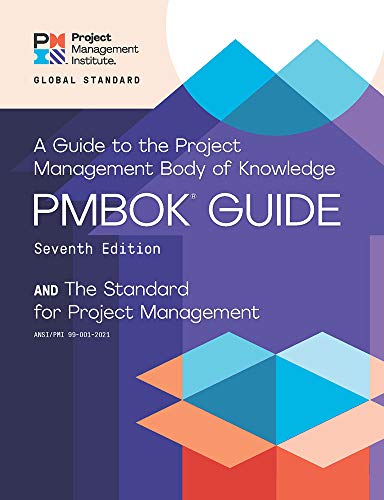
 Prep course on Brain Sensei